
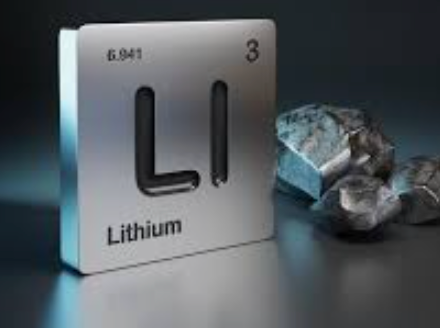
As the global community becomes increasingly aware of the urgent need to transition to renewable energy, one element has found itself at the heart of the energy revolution: lithium. Known for its significant role in manufacturing rechargeable batteries for electronics, electric vehicles, and grid storage, lithium represents a critical component of our greener future.
This article aims to shed light on the important role of lithium in our transition to green energy, and how Canada, with its numerous lithium projects and vast reserves, could become a significant player in the global lithium mining industry.
The Importance of Lithium in the Green Energy Transition
Lithium and its compounds, including lithium carbonate (Li2CO3), lithium oxide (Li2O), and lithium hydroxide (LiOH), play a pivotal role in facilitating clean energy and transportation. Lithium-ion batteries, which heavily depend on this silvery-white metal, are integral to the operation of electric vehicles and various electronic products. Moreover, lithium compounds are vital ingredients in low-melting point glasses and lubricants.
Lithium’s importance goes beyond its application in rechargeable batteries. It is used in making glass products more durable, corrosion-resistant, and thermally resistant, enhancing their usability at extreme temperatures. Additionally, as a critical mineral for the energy transition, the drive towards net-zero emissions will necessitate a heightened reliance on both new and recycled sources of lithium for battery production.
In 2021, manufacturing rechargeable batteries for electronics, electric vehicles, and grid storage constituted 74% of the total demand for lithium globally.
Canada’s Potential in the Global Lithium Market
Canada, despite not currently producing lithium, boasts a wealth of lithium resources. Mining Intelligence data reveals that there are 409 active lithium projects in the country, with 106 advanced projects accounting for over a quarter of the total.
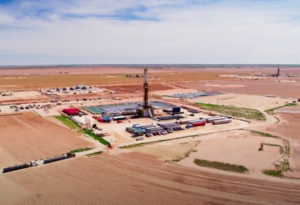
Canada’s hard rock spodumene deposits and brine-based lithium resources present significant opportunities. Presently, there are several companies developing lithium projects in Ontario, Quebec, Alberta, Manitoba, and Saskatchewan, ranging from early exploration to a pre-production stage.
With an estimated 3.2 million tonnes of lithium oxides resources (measured and indicated) at hard rock deposits, Canada is set to be a major supplier in the lithium market. This figure could potentially increase as technology and processing advance, allowing for the economic extraction of lithium compounds from Alberta and Saskatchewan’s lithium brines, oil and gas fields, and industrial wastewaters.
Energy News





Author: phinds