
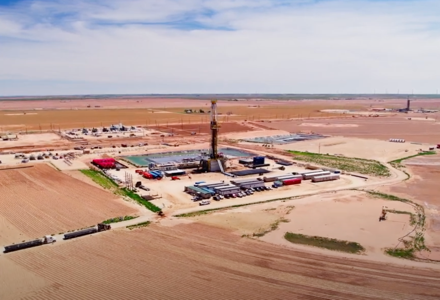
While much of the industry’s attention remains focused on large public shale operators, a growing number of smaller or previously inactive companies are beginning to reappear in drilling and permitting activity. In many cases, these operators have not approved new wells in years, making their return noteworthy for oilfield service companies, land teams, and regional suppliers monitoring early-stage activity.
Several smaller and previously inactive oil and gas operators, including Central Operating, Valley Resources, Virtus Energy, and Zavanna Energy, are showing renewed drilling and permitting activity across key North American basins. Their return highlights growing redevelopment opportunities in mature fields and signals potential demand growth for oilfield services, infrastructure, and regional suppliers.
Below is a look at several operators that have recently surfaced in permitting and operational datasets.

CENTRAL OPERATING INC Returns to Activity
Central Operating Inc is a small independent operator with historical activity concentrated in Colorado and Kansas. The company has maintained a relatively low profile over the years, primarily managing mature conventional assets rather than pursuing aggressive horizontal shale development.
Public well records indicate the company has operated approximately 16 wells in Colorado, with only a small number currently producing. Most of its historical inventory consists of legacy vertical wells that were eventually plugged or shut in.
The appearance of new activity tied to Central Operating may indicate:
- Re-entry into legacy acreage
- Economic opportunities tied to higher commodity prices
- Small-scale redevelopment of mature assets
- Potential acquisitions of older producing properties
For regional service companies, even modest reactivation programs can create opportunities in:
- Well servicing
- Artificial lift
- Production chemicals
- Environmental and abandonment services
NATIONAL FUEL GAS Continues Appalachian Expansion
National Fuel Gas is far from a new operator, but the company’s upstream division, Seneca Resources, continues to expand natural gas development across the Appalachian Basin.
The company controls thousands of wells throughout Pennsylvania and New York and remains highly active in the Marcellus and Utica shale plays. Its integrated business model — spanning production, pipelines, storage, and utilities — gives it strategic advantages during periods of volatile gas pricing.
Recent infrastructure investments and continued permitting activity suggest the company remains positioned for long-term natural gas demand growth driven by:
- LNG export expansion
- Power generation demand
- AI and data center electricity requirements
- Industrial reshoring
National Fuel Gas remains one of the more stable mid-sized natural gas operators in Appalachia and continues to support drilling, completions, and midstream activity throughout the region.
VALLEY RESOURCES INC Shows Signs of Life
Valley Resources Inc is another small independent operator that has largely remained under the radar in recent years. Historical records show activity tied primarily to conventional oil and gas properties in Texas.
While public data indicates the company previously operated dozens of wells, recent drilling activity has been limited. The emergence of new approvals or permits may signal:
- Redevelopment of mature fields
- New investor backing
- Smaller private-equity-driven drilling programs
- Acquisition and optimization of overlooked assets
Smaller operators like Valley Resources often move quickly and can become attractive targets for:
- Local pressure pumping companies
- Tubular suppliers
- Lease operators
- Water hauling and disposal providers
Because these companies are often lean organizations, vendor relationships can play an outsized role in future growth.
VIRTUS ENERGY OPERATING LLC Expands San Andres Development
Virtus Energy Operating LLC has become increasingly visible in the Permian Basin through its focus on horizontal San Andres development.
The company specializes in redevelopment strategies targeting mature carbonate reservoirs using modern horizontal drilling and completion techniques. Public reports tied to Virtus projects reference:
- 90+ planned horizontal wells
- Fields containing hundreds of producing and injection wells
- Prior production growth exceeding 30,000 BOE/d
Virtus represents a broader trend occurring across the Permian:
Instead of solely chasing Tier 1 shale inventory, operators are revisiting mature formations with improved drilling technology and data analytics.
This strategy can significantly reduce:
- Geological risk
- Infrastructure costs
- Lease acquisition expenses
As a result, redevelopment-focused operators may continue expanding even during periods of capital discipline across the broader industry.
Zavanna Energy Maintains Bakken Presence
Zavanna Energy remains one of the larger private operators in the Bakken despite receiving less industry attention than many public peers.
Headquartered in Denver, the company operates primarily in Williams and McKenzie Counties, North Dakota. Public records show:
- Approximately 287 total wells
- Roughly 145 active producing wells
Zavanna has historically focused on operational efficiency and technical execution within the Williston Basin. While private operators often disclose less information publicly, their drilling programs can still create meaningful regional demand for:
- Drilling contractors
- Sand logistics
- Water infrastructure
- Midstream services
- Completion chemicals
Private Bakken operators like Zavanna continue to play an important role in maintaining basin activity levels.
Why Smaller Operators Matter
Smaller or returning operators often provide some of the earliest indicators of shifting market conditions.
When previously inactive companies begin permitting new wells, it can signal:
- Improved commodity economics
- Renewed investor confidence
- Asset acquisitions changing hands
- Redevelopment opportunities in mature basins
- Expansion into overlooked formations
For oilfield service companies, these operators can represent valuable business development opportunities before activity scales more broadly across a region.
Monitoring emerging operators and permit trends remains one of the most effective ways to identify where drilling activity may accelerate next.

Author: phinds