
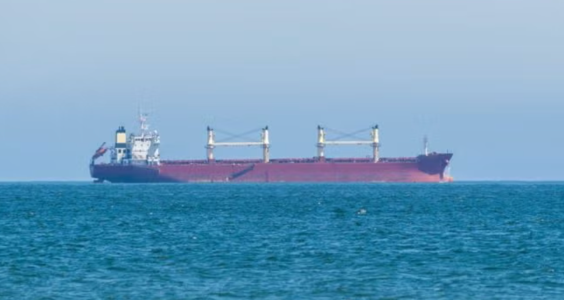
The closure of the Strait of Hormuz has exposed the vulnerability of global oil and gas supply chains. With Gulf exports disrupted, energy buyers across Asia and Europe are facing higher prices, tighter supplies, and renewed pressure to diversify away from one of the world’s most critical chokepoints.

Key Impacts on Oil and Gas Production
- The Persian Gulf normally supplies about 30% of global crude oil and 17% of global natural gas, with most exports moving through the Strait of Hormuz.
- Iran closed the strait in March 2026 following military strikes, while the U.S. later imposed a naval blockade on Iranian ports.
- Iraq suffered one of the largest impacts, with production falling from roughly 4.1 million barrels/day to 1.39 million barrels/day.
- Other Gulf producers also cut output:
- UAE: down ~44%
- Saudi Arabia: down ~20%
- Bahrain: down ~30%
- Kuwait: down 20–25%
- LNG exports were also severely disrupted, particularly in Qatar after damage to QatarEnergy’s Ras Laffan facilities.
Saudi Arabia’s Relative Advantage
- Saudi Arabia was better positioned due to its East-West Petroline pipeline, which bypasses Hormuz and transports crude to the Red Sea.
- While Saudi exports declined, it maintained significant export capacity and may ultimately benefit from higher oil prices.
Impact on Global Importers
Asia was hit hardest:
- About 80–85% of Gulf oil exports flowed to Asia before the conflict.
- China, India, Japan, and South Korea were the largest buyers.
- Japan and South Korea were particularly vulnerable because Middle Eastern crude accounted for approximately 95% and 70% of their imports respectively.
- China mitigated some impacts through continued purchases of Iranian crude.
Oil Price Shock
- Global oil prices increased by approximately 43% after the closure of the Strait.
- Europe faced:
- Higher energy costs
- Feedstock shortages
- Risks of stagflation
- Jet fuel and petrochemical supply disruptions.
Winners and Losers
Beneficiaries:
- United States
- Canada
- Latin American exporters
- Russia
- Saudi Arabia (to a lesser degree)
These producers benefited from higher prices and increased demand as buyers sought alternatives to Gulf supplies. Russia also gained from relaxed sanctions enforcement in some markets.
Losers:
- Gulf producers dependent on Hormuz
- Asian importers
- European refiners and manufacturers
- Global consumers facing higher fuel costs.
Long-Term Outlook
The article concludes that even if the Strait of Hormuz reopens, supply chains are unlikely to return to their previous structure. Governments and energy buyers are expected to:
- Diversify supply sources.
- Invest in alternative export routes.
- Reduce dependence on Middle Eastern energy.
- Accelerate investments in renewables, hydrogen, and other alternative energy sources.
The central thesis is that the conflict has created a permanent shift in global energy trade patterns, forcing both producers and consumers to rethink energy security strategies.


Author: phinds