
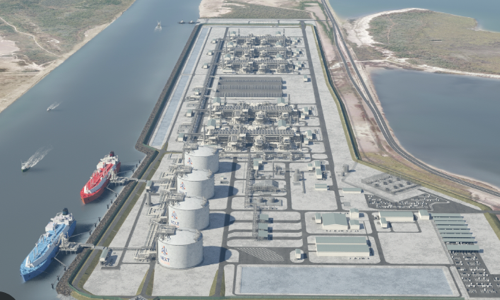
The Rio Bravo Pipeline and Rio Grande LNG projects are among the most significant natural gas infrastructure developments currently underway on the U.S. Gulf Coast. Together, these projects will connect natural gas supplies from the Permian Basin, Eagle Ford, and other major producing regions to global LNG markets, supporting growing international demand for U.S. energy exports. With billions of dollars in planned investment and major construction activities ongoing in South Texas, the projects are creating opportunities for pipeline, facility, compression, electrical, instrumentation, environmental, and maintenance service providers across the energy value chain.
Rio Bravo Pipeline Company, LLC
Rio Bravo Pipeline Company, LLC is developing a 137-mile interstate natural gas pipeline that will transport feed gas from the Agua Dulce Hub in South Texas to the Rio Grande LNG export terminal near Brownsville. The project is owned through a joint venture involving Enbridge, WhiteWater, and MPLX and is designed to deliver up to 4.5 Bcf/d of natural gas to support LNG exports.
Project Status: Under Construction. FERC currently lists the Rio Bravo Pipeline as “Under Construction,” and industry reports indicate first-phase commercial operations are expected during 2026.
Rio Grande LNG
Rio Grande LNG, developed by NextDecade Corporation, is a large-scale LNG export terminal being constructed at the Port of Brownsville, Texas. The facility is designed to liquefy and export U.S. natural gas to global markets, with initial development consisting of three liquefaction trains and future expansion plans.
Project Status: Under Construction. NextDecade reached a final investment decision in 2023 and is actively constructing the first three liquefaction trains. FERC also lists the facility as “Under Construction,” with first LNG production expected in 2027.
Why This Project Is Important
The Rio Bravo Pipeline and Rio Grande LNG projects are important because they create a direct link between prolific U.S. shale gas production and growing global demand for liquefied natural gas (LNG). Together, the projects will allow natural gas from the Permian Basin, Eagle Ford, and other producing regions to be transported to the Texas Gulf Coast, liquefied, and exported to international markets.
From an industry perspective, the projects represent billions of dollars in infrastructure investment, supporting long-term natural gas demand, creating construction and operations jobs, and increasing U.S. LNG export capacity. For oil and gas service companies, the projects generate opportunities across pipeline construction, compression, automation, electrical and instrumentation, environmental services, maintenance, and ongoing facility operations.

Author: phinds