
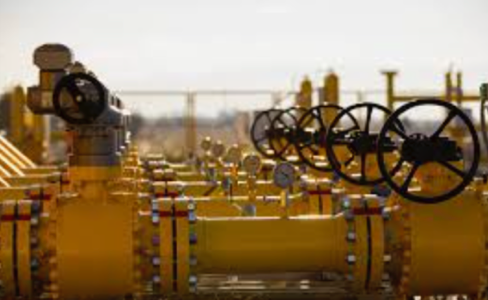
The Permian Basin continues to produce more associated natural gas than existing pipelines can move out of West Texas, creating recurring bottlenecks at the Waha Hub and, at times, negative gas prices. Three major projects—GCX Expansion, Blackcomb, and Hugh Brinson—are widely viewed as the next wave of relief.
Project Capacity Route Expected Service GCX Expansion +570 MMcf/d Permian → Agua Dulce, TX Mid-2026 Blackcomb 2.5 Bcf/d Waha → Agua Dulce, TX Q3/Q4 2026 Hugh Brinson 1.5 Bcf/d initially, expandable to 2.2 Bcf/d Waha → Dallas/Ft. Worth region End of 2026
1. Gulf Coast Express (GCX) Expansion
Kinder Morgan is expanding the existing 500-mile Gulf Coast Express pipeline through additional compression, increasing capacity by approximately 570 MMcf/d. The project is fully contracted and is designed to move more Permian gas to South Texas markets and LNG corridors near the Gulf Coast.
Why it matters:
- Fastest source of new takeaway capacity because it uses existing infrastructure.
- Helps reduce congestion at Waha.
- Provides additional access to Gulf Coast industrial, export, and LNG demand.

2. Blackcomb Pipeline
Blackcomb is a new 365-366 mile, 42-inch pipeline being developed by WhiteWater, MPLX, Enbridge, and Targa. It will move up to 2.5 Bcf/d from the Permian Basin to the Agua Dulce hub in South Texas.
Why it matters:
- One of the largest new Permian gas pipelines under construction.
- Directly targets the Waha bottleneck.
- Connects Permian supply to LNG export facilities, Mexico exports, and Gulf Coast demand centers.
3. Hugh Brinson Pipeline
Energy Transfer’s Hugh Brinson Pipeline is a new 400-mile, 42-inch pipeline. Phase I will move 1.5 Bcf/d from Waha to the Dallas/Fort Worth area, with Phase II capable of expanding capacity to approximately 2.2 Bcf/d through additional compression.
Why it matters:
- Opens a new market corridor toward North Texas instead of only the Gulf Coast.
- Provides direct access to power generation, industrial demand, and Energy Transfer’s broader pipeline network.
- Energy Transfer has stated the pipeline is fully contracted and strategically positioned to become a major Texas gas corridor.
What This Means for Waha
Industry analysts generally expect these projects to substantially improve Permian gas egress. Together they add roughly 4.5–5.3 Bcf/d of new takeaway capacity by late 2026. Most forecasts suggest that once these projects enter service, Waha price volatility should decline, basis differentials should narrow, and producer shut-ins should be reduced.
For oilfield service companies and operators, these pipelines are important because they support continued Permian oil growth. Without additional gas takeaway, associated gas constraints can limit drilling and completion activity. The industry largely views GCX Expansion (mid-2026), Blackcomb (2H 2026), and Hugh Brinson (late 2026) as the key infrastructure projects that will unlock the next phase of Permian production growth.


Author: phinds