
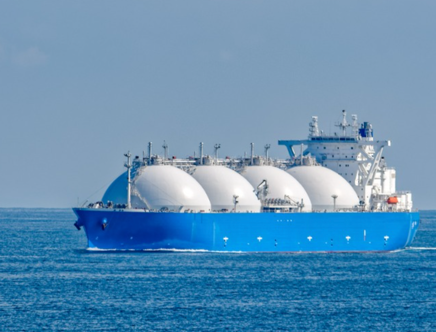
ExxonMobil and Chevron are positioning for continued growth in liquefied natural gas (LNG) as buyers place greater value on reliable, geographically diversified energy supplies. ExxonMobil increased its annual LNG sales target for 2030 to 50 million metric tons, up 25% from its previous target of 40 million tons. The company expects global LNG demand to rise from more than 400 million tons today to approximately 500 million tons by 2030, with Asia leading long-term growth.
ExxonMobil’s expansion will be supported by Golden Pass LNG, its joint venture with QatarEnergy at Sabine Pass, Texas. The facility is expected to reach full production toward the end of 2027 and export approximately 18 million tons annually. Golden Pass could consume as much as 2.6 billion cubic feet per day of natural gas, creating a major demand center for Gulf Coast producers, pipelines and processing companies. The project shipped its first export cargo earlier in 2026. ExxonMobil
Chevron is also evaluating growth opportunities across Argentina, the eastern Mediterranean, Africa and Australia. Its LNG portfolio is expected to include approximately 20 million metric tons per year—16 million tons from Chevron-affiliated production and four million tons secured through U.S. Gulf Coast supply contracts. Argentina’s Vaca Muerta shale is among the potential sources of additional crude oil and natural gas production.
Chevron is considering European LNG import infrastructure but wants greater certainty surrounding the European Union’s methane regulations before making a long-term investment. EU rules require progressively stronger monitoring, reporting and verification of methane emissions from imported fuels, culminating in maximum methane-intensity requirements beginning in 2030. EUR-Lex
Separately, ExxonMobil temporarily shut its 264,000-barrel-per-day Joliet refinery in Illinois after a power outage. The refinery can produce approximately 11 million gallons of fuel per day, making the outage relevant to Midwest fuel availability and refining margins.
Industry Impact
The strategies demonstrate that supply security is becoming as important as price in global LNG contracting. U.S. Gulf Coast export growth strengthens North America’s position as a dependable source of both safe barrels and safe molecules, while supporting gas development, pipelines, processing and export infrastructure. Methane performance will also increasingly determine which North American suppliers can compete for European contracts.
Sales Strategy
OFS companies should target producers, midstream operators and LNG facilities connected to Gulf Coast exports. Priority opportunities include drilling, completions, compression, pipeline construction, gas processing, methane monitoring, leak detection, automation and reliability services. Vendors that can document lower emissions while improving throughput will be especially well positioned.

Author: phinds