
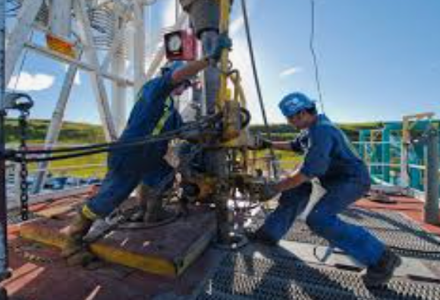
The operators receiving their first permit approvals of the year—or approvals in a new state—provide an interesting view of where incremental U.S. oil and gas activity is emerging.
This group is not dominated by major public shale producers or large horizontal development programs. Instead, it consists primarily of small conventional operators managing mature wells in Kansas, Oklahoma, Ohio, Pennsylvania and Kentucky.

That distinction matters.
America’s position as the world’s “safe barrel” is not supported solely by large Permian Basin operators. It also depends on thousands of smaller companies managing an enormous installed base of conventional wells, production equipment and field infrastructure.
These operators can contribute dependable domestic production in two ways:
- Targeted Development: Drilling new wells where established geology and infrastructure support the economics.
- Maintenance Plus: Preserving or increasing production from existing wells through workovers, artificial lift, chemicals, automation and production optimization.
The latest permit approvals show both strategies at work.
What Types of Operators Received New Approvals?
The 11 operators reviewed fall into four general categories.
Operator Type Number of Operators Primary Opportunity Next Tier / Active 4 Drilling support combined with recurring production services Maintenance Plus 1 Artificial lift, workovers, chemicals and optimization Dormant / Legacy 5 Reactivation, integrity work, plugging and reclamation Unclassified 1 Additional regulatory information required
Five of the 11 accounts are active conventional operators with existing producing-well inventories or evidence of continued development.
Another five are inactive or dormant operators associated with legacy wells. These accounts are unlikely to generate immediate drilling-service demand, but they may create opportunities related to well restoration, integrity, plugging and reclamation.
The remaining account could not be connected confidently to a registered regulatory operator using the available name.
Kansas Is the Center of Activity
Kansas represents the strongest geographic cluster in this group.
Four operators are active in the state:
- Charles N. Griffin
- Kansas Energy Company, L.L.C.
- Northwestern Well Service LLC
- Ressler Well Service, Inc.
Their activity is concentrated in mature conventional areas including Barber, Pratt, Chautauqua, Rawlins, Logan, Reno and Harvey counties.
These are not large shale-development accounts. Their value comes from the combination of new drilling activity and sizable inventories of existing conventional wells.
Kansas Energy Company, for example, operates approximately 105 producing wells. Charles N. Griffin is associated with approximately 88 producing wells. Ressler Well Service has approximately 24 producing wells and at least 48 indexed wells.
A new permit connected to an operator with this type of installed base can indicate more than a single drilling opportunity. It can also identify recurring demand for:
- Artificial-lift equipment and maintenance
- Workover services
- Production chemicals
- Pump services
- Water handling
- Field automation
- Well monitoring
- Production optimization
This makes Kansas the clearest Maintenance Plus market within the current group.
Oklahoma Adds Another Active Midcontinent Operator
WFD Oil Corp. is an active Oklahoma operator with approximately 23 producing wells and at least 50 indexed wells, primarily in Creek and Okmulgee counties.
The company’s recently spudded Manning #3 well demonstrates that WFD is continuing to invest in development while managing an established mature-well portfolio.
This combination makes WFD a relevant Next Tier account for drilling services, artificial lift, workovers and production optimization.
Like the Kansas operators, WFD illustrates why new-permit data becomes more valuable when it is combined with producing-well information. The permit identifies immediate capital activity, while the well inventory points to longer-term production-service demand.
Appalachia Is More Heavily Weighted Toward Legacy Wells
The Ohio and Pennsylvania operators in this group present a different market profile.
Bass Energy Co., Inc., Daniel P. Hornburg, Exley Oil & Gas Corp. and Wyant Exploration Company are collectively associated with approximately 200 historical or mature conventional wells.
However, these operators currently report little or no recent production activity.
This makes Appalachia less significant as a source of near-term production growth within this particular group. Its opportunity is centered more heavily on:
- Legacy-well maintenance
- Well-integrity services
- Production restoration
- Workovers
- Artificial-lift installation
- Plugging and abandonment
- Site reclamation
Dormant wells should not automatically be treated as future production. Some may be economically restored, while others will ultimately require plugging.
The commercial signal is therefore event-driven. Service companies should watch these operators for asset transfers, production restarts, reactivation filings, plugging awards and additional permit approvals.
Kentucky Represents a Smaller Legacy Opportunity
Gradyville Energy, Inc. is a small Kentucky conventional operator associated with approximately 11 historical wells on the Bennett property in Adair County.
With no recent production or permit activity and only 688 barrels of cumulative oil production reported, the company offers limited immediate oilfield-service potential.
The more likely opportunities are related to plugging, abandonment and reclamation rather than production growth.
How These Operators Relate to the U.S. “Safe Barrel”
The “safe barrel” is best understood as a strategic concept rather than a formal industry classification.
It describes oil and gas production supported by:
- A stable operating jurisdiction
- Established infrastructure
- Experienced operators
- Available oilfield-service capacity
- Known geology
- Existing wells and production equipment
- The ability to respond to changing market conditions
Large shale producers remain the primary source of U.S. production growth. However, these smaller conventional operators contribute another important layer of supply resilience.
1. Mature Wells Provide Base Production
Conventional wells do not normally deliver the high initial production rates associated with modern horizontal shale wells.
However, mature wells can provide relatively steady later-life production. A large and geographically dispersed inventory of these wells creates a broad domestic production base that is not dependent on a single project, operator or basin.
The U.S. Energy Information Administration reports that approximately 78% of U.S. oil and natural gas wells produced 15 barrels of oil equivalent per day or less in 2023 and 2024.
Most American wells are therefore relatively small producers. Individually, they may appear insignificant. Collectively, they represent a substantial operating and service market.
2. Existing Wells Can Deliver Lower-Capital Barrels
The economics of maintaining an existing well are different from the economics of drilling a new one.
Once the lease, wellbore, roads, tanks, gathering connections and production equipment are in place, operators may be able to preserve or increase production without funding an entirely new drilling and completion program.
Incremental production can come from:
- Repairing or replacing pumps
- Optimizing artificial lift
- Performing workovers
- Treating scale, corrosion or paraffin
- Improving compression
- Reducing downtime
- Automating field operations
- Reopening suspended wells
These projects will not normally produce the same volume as a new horizontal shale well. They can, however, add commercially attractive barrels using existing assets and infrastructure.
3. New Permits Create Redevelopment Optionality
A first permit approval of the year can indicate that capital is returning to an operator or property that previously experienced limited activity.
A permit in a new state may signal:
- A market expansion
- An asset acquisition
- A new operating partnership
- The testing of a new property
- The beginning of a redevelopment program
The individual permit may be small, but it provides an early indicator of where development capital is moving.
Northwestern Well Service’s approved Peters F4 location in Logan County, Kansas, Ressler Well Service’s recent completion activity and WFD Oil’s Manning #3 well are examples of operators combining new development with existing mature-well portfolios.
4. Maintenance Plus Supports Energy Security
Keeping existing wells online is an important part of maintaining dependable domestic oil and gas production.
The safe barrel is not only the next barrel created by drilling. It also includes the barrel that would otherwise be lost because of equipment failure, excessive downtime or declining well performance.
Maintenance Plus strategies help operators:
- Slow production declines
- Extend economic well life
- Reduce operating interruptions
- Recover incremental reserves
- Improve field economics
- Delay premature abandonment
This creates a recurring market for production-focused oilfield services even when overall drilling activity is restrained.
5. Plugging Is Also Part of a Reliable Production System
Dormant and inactive wells should not be counted as available supply without further technical and economic evaluation.
Operators must determine which wells can be restored and which should be permanently abandoned.
Properly plugging non-economic wells reduces environmental and financial liabilities while allowing operators, regulators and service companies to focus resources on assets capable of producing safely and economically.
Plugging, cementing, integrity testing and reclamation are therefore part of the broader safe-barrel infrastructure—even though they do not directly create new production.
Operator Review
Bass Energy Co., Inc. — Ohio
Bass Energy is a small northeastern Ohio conventional operator associated with approximately 50 historical wells and cumulative production of about 706,000 barrels of oil and 27.9 Bcf of natural gas.
With no producing wells currently reported and much of its portfolio plugged, restored or expired, the company should be classified as an inactive or dormant account.
The primary opportunities are likely related to plugging, reclamation and selective well reactivation.
Charles N. Griffin — Kansas
Charles N. Griffin is an active conventional Kansas operator with approximately 88 producing wells, primarily in Barber and Pratt counties.
Its sizable mature-well portfolio and continued development activity make it a strong Next Tier prospect for artificial lift, workovers, chemicals and production-optimization services.
Daniel P. Hornburg — Pennsylvania
Daniel P. Hornburg is a small Warren County operator associated with approximately 37 mature conventional wells, including 33 previously reported as producing.
With no recent production or new permits reported, the account is best classified as inactive or dormant. Its limited opportunities are centered on legacy-well maintenance and plugging services.
Derrick & Rachel Schott — Unverified
Derrick & Rachel Schott could not be verified as a registered oil and gas operator using the exact name provided.
A state, county, lease name or API number is required to connect the record to the correct regulatory operator and determine its commercial classification.
Exley Oil & Gas Corp. — Pennsylvania
Exley Oil & Gas is a small conventional Pennsylvania operator associated with approximately 35 wells in Clarion and Venango counties, including about 28 carrying an active regulatory status.
With no recent production or new permits reported, it should be classified as an inactive or dormant account focused on legacy-well maintenance, integrity and plugging opportunities.
Gradyville Energy, Inc. — Kentucky
Gradyville Energy is a small Kentucky conventional operator associated with approximately 11 historical wells on the Bennett property in Adair County.
With no recent production or permit activity, it should be classified as an inactive or dormant account with limited oilfield-service potential beyond plugging and reclamation.
Kansas Energy Company, L.L.C. — Kansas
Kansas Energy Company is an active conventional operator with approximately 105 producing wells, concentrated mainly in Chautauqua County.
Its large mature portfolio and relatively low production per well make it a strong Maintenance Plus prospect for artificial-lift optimization, workovers, chemicals and field automation.
Northwestern Well Service LLC — Kansas
Northwestern Well Service is a small Kansas operator associated with eight wells, including three currently producing wells and two authorized injection wells, primarily in Rawlins County.
Its approved Peters F4 drilling location in Logan County indicates potential near-term activity. The company is a small but relevant Next Tier prospect for well servicing, artificial lift and drilling support.
Ressler Well Service, Inc. — Kansas
Ressler Well Service is an active Kansas conventional operator with approximately 24 producing wells and at least 48 indexed wells, primarily in Reno and Harvey counties.
Its recent completion activity demonstrates continued drilling investment and makes the company a relevant Next Tier prospect for drilling support, artificial lift, workovers and production optimization.
WFD Oil Corp. — Oklahoma
WFD Oil is an active Oklahoma operator with approximately 23 producing wells and at least 50 indexed wells, primarily in Creek and Okmulgee counties.
The recently spudded Manning #3 well, combined with its established mature-production portfolio, makes WFD a relevant Next Tier prospect for drilling services, artificial lift, workovers and production optimization.
Wyant Exploration Company — Ohio
Wyant Exploration is a southeastern Ohio conventional operator associated with approximately 82 wells in Meigs and Gallia counties, although none currently report recent production.
Its large legacy-well inventory creates potential opportunities for production restoration, workovers, artificial lift and plugging services. The company should presently be classified as inactive or dormant.
What This Means for Oilfield-Service Companies
The strongest prospects are not necessarily the operators receiving the largest number of permits.
The more valuable commercial signal may be the intersection of:
- A new permit approval
- An active producing-well inventory
- A history of continued investment
- A mature asset base requiring recurring services
Kansas Energy Company, Charles N. Griffin, Northwestern Well Service, Ressler Well Service and WFD Oil currently provide the clearest examples of this overlap.
These companies can generate immediate project opportunities connected to new wells while also supporting ongoing demand for production and maintenance services.
Dormant operators should remain on trigger-based watchlists. They become more commercially relevant when new permits are accompanied by production restarts, asset transfers, workover activity or plugging programs.
The Bigger Picture
The latest approvals do not point to a major new shale drilling cycle.
They reveal something broader: the depth of the U.S. oil and gas operating system beneath the major shale producers.
America’s “safe barrel” is supported by a two-engine production model:
Engine 1 — Targeted Development: Operators selectively drill economic locations where geology, infrastructure and commodity prices support investment.
Engine 2 — Maintenance Plus: Operators preserve and increase production from the country’s enormous installed base of mature wells.
Large shale developments provide scale and responsiveness. Smaller conventional operators add diversity, local operating knowledge and the ability to extract incremental production from existing assets.
Individually, these operators may contribute only modest volumes. Collectively, they help make the U.S. production system broader, more flexible and more resilient.
For oilfield-service companies, the message is clear: follow the permits, but do not stop at the permit count.
The most valuable opportunities may be found where new drilling activity overlaps with a substantial inventory of mature wells requiring ongoing maintenance, optimization and eventual retirement.

Author: phinds