
Crude Oil Falls Below $100 as Iran Diplomacy Eases the Market’s Geopolitical Risk Premium
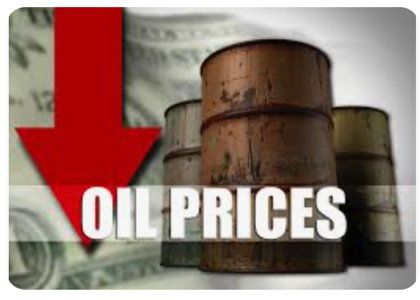
Crude oil prices fell sharply on Monday, extending their decline to a fourth consecutive session as signs of potential U.S.–Iran diplomacy reduced some of the geopolitical risk premium built into the market. October WTI futures dropped 4.9% to $95.36 per barrel, while November Brent declined 3.9% to $99.85 per barrel.
The change in sentiment followed reports that President Donald Trump had decided against immediate military action targeting Iran-backed Houthi militants in Yemen. Trump also indicated that he would consider meeting Iranian President Masoud Pezeshkian during the United Nations General Assembly in New York. Profit-taking following oil’s recent gains and expectations surrounding an upcoming Trump–Xi meeting added to the downward pressure.
The physical supply picture remains tight, however. Houthi forces claimed attacks against Riyadh and an Aramco facility in Yanbu, while disruption to Saudi Arabia’s East–West pipeline has increased the kingdom’s dependence on Persian Gulf export terminals and the Strait of Hormuz. Saudi Gulf loadings reportedly increased by almost 2 million barrels per day to 2.46 million barrels per day during September, while ship-to-ship transfers from the Gulf of Oman rose by approximately 1.1 million barrels per day from August levels.
Refined-product markets are also showing continued stress. U.S. diesel prices reached a record $6.51 per gallon as disruptions affecting Middle Eastern energy flows and Russian refining capacity tightened supplies ahead of winter.
Oil and gas equities moved lower alongside crude. ConocoPhillips fell approximately 3%, Occidental Petroleum declined 2.6%, APA dropped 2.5%, and ExxonMobil and Devon Energy each lost about 2.4%.
Industry Impact
The price decline demonstrates how quickly oil markets can remove geopolitical risk when diplomatic prospects improve, even when the underlying supply system remains vulnerable. North American production continues to benefit from the United States’ position as a “safe barrel”—oil produced within a comparatively secure, transparent and infrastructure-rich market. Persistent Middle East transportation risks and global diesel shortages reinforce the strategic value of reliable U.S. shale production, although operators may remain disciplined until prices and geopolitical conditions stabilize.
OFS Sales Strategy
Oilfield service companies should avoid reacting to a single-day price decline and focus on operators with active rigs, recent permits and strong existing-well portfolios. Sales teams should emphasize services that protect production, reduce operating costs and generate measurable returns—particularly artificial-lift optimization, automation, production chemicals, maintenance and workover programs. Operators with strong balance sheets and established drilling inventories should remain the highest-priority prospects if oil continues trading near economically attractive levels.

Author: phinds