
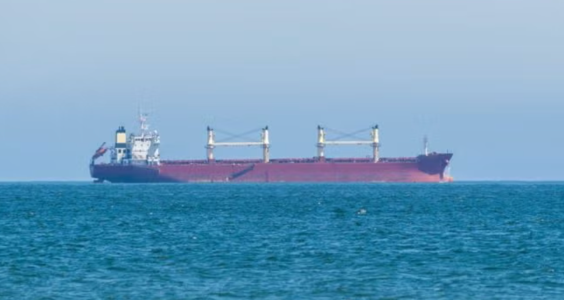
Disrupted shipping, infrastructure attacks and declining emergency inventories are complicating oil price assessments as the Iran conflict continues. According to the October 8 Seeking Alpha report, conflicting accounts of export movements through the Strait of Hormuz make available supply difficult to establish. U.S. officials describe normalized flows for permitted shipments, while reported tanker attacks indicate continued security risks.

The report cites an overnight attack near Qatar and roughly a dozen other tanker incidents during the week, alongside damage to Saudi Arabia’s East-West Pipeline. Rerouting and transfers between vessels further complicate cargo tracking and transportation costs. These conditions make physical delivery, freight and regional fuel availability important considerations alongside benchmark crude prices.
Emergency reserves have helped offset supply disruptions but reduced the buffer against additional interruptions. The article reports U.S. Strategic Petroleum Reserve releases totaling 133 million barrels, taking holdings to their lowest level since 1982. International Energy Agency member countries have also released approximately 200 million barrels since March. Saudi Aramco Chief Executive Amin Nasser warned that rebuilding inventories could take years and that energy disruption could extend beyond 2027.
For operators and suppliers, crude prices alone provide an incomplete view of operating conditions. Differences between futures and physical cargo prices, refinery limitations and wider diesel spreads complicate budgeting. Oilfield services (OFS) companies should assess customers’ realized pricing and approved spending alongside their own fuel, freight and equipment costs.
Industry Impact
The disruption reinforces the U.S. role as a “Safe Barrel” supplier: production outside the Strait of Hormuz offers an alternative source of supply. For North American producers and service companies, that geographic advantage supports the strategic value of reliable domestic production, although higher global prices do not automatically translate into additional drilling commitments.
Sales Strategy
Prioritize operators with confirmed drilling, completion or production-maintenance budgets. Frame proposals around measurable operating benefits—fuel efficiency, equipment uptime, artificial-lift performance and dependable delivery—and confirm purchasing timelines before committing resources.
Two-Sentence Summary
Gulf shipping disruptions, infrastructure attacks and depleted emergency reserves are making oil prices and physical supply harder to assess. North America’s Safe Barrel position strengthens its supply relevance, while OFS companies should target confirmed spending and services that improve reliability and control costs.

Author: phinds