
Occidental Petroleum’s approach to Permian development came through in a phrase CEO Richard Jackson used on the company’s Q3 2026 earnings call. Oxy used its Ecopetrol joint venture to “learn and appraise and advance that opportunity” in the Barnett formation. Several years of appraisal helped Oxy understand where to develop the formation, and drilling more 10,000-foot laterals helped bring costs down. Management expects those kinds of gains, combined with a shift toward higher-return projects, to support modest Permian oil and total production growth in 2027.

In the Barnett, appraisal informs where Oxy drills next
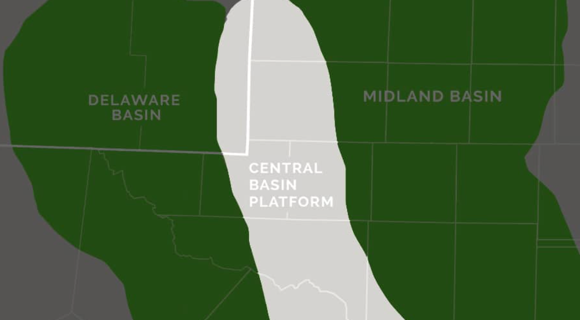
Oxy spent several years evaluating the Barnett in the Midland Basin through its Ecopetrol joint venture. In 2026, it drilled additional appraisal wells on the eastern side of its position to better define the opportunity. Management then planned to return to the core for the remaining 2026 wells and into 2027, where it expected well performance to improve.
Jackson said Oxy was drilling more 10,000-foot laterals and reported Barnett well costs of less than $750 per lateral foot for drilling, completion and equipment, with hookup included in Oxy’s figures. He also said Oxy had more than 10 of the top 15 Barnett wells on its six-month oil-per-foot comparison.
Those results illustrate two ways Oxy can improve development economics. Longer laterals can lower the cost per foot of reservoir developed. Appraisal helps direct capital toward the rock most likely to deliver strong production. Both matter when comparing well results over time, especially as the drilling program moves back into the core.
In the Delaware, the goal is more recovery per development unit
Oxy applied the same approach to well spacing in the Delaware Basin. Management said that in some areas, increasing the number of wells per bench could preserve individual well performance while delivering up to 2.5 times the recovery per drilling spacing unit.
That shifts the development question from how much one well can produce to how much the entire unit can recover economically. Oxy weighs whether to develop multiple benches together or phase them over time, taking into account the reservoir, infrastructure and operating requirements. The reported recovery gain applies to selected areas. What Oxy can repeat across its acreage is the process for deciding where a denser or coordinated development plan makes sense.
Lower well costs create room for modest growth
Oxy was on track for more than 7% improvement in new-well costs in 2026, a broader company metric than the Barnett cost per foot. For 2027, management’s preliminary $5.9 billion companywide capital plan called for relatively flat total production across Oxy, with modest growth in the Permian on both an oil and a barrel-of-oil-equivalent basis. CFO Sunil Mathew said the Permian outlook builds on lessons from the 2026 program and a shift toward higher-return opportunities.
That is what the shale factory model looks like in Oxy’s Permian program. Appraisal informs where to drill, longer laterals lower development costs where they fit, and bench-by-bench planning improves recovery where the reservoir supports it. The repeatable part is how Oxy carries what it learns from one development decision into the next. That gives the company a way to pursue modest growth while continuing to improve well economics.


Author: phinds