
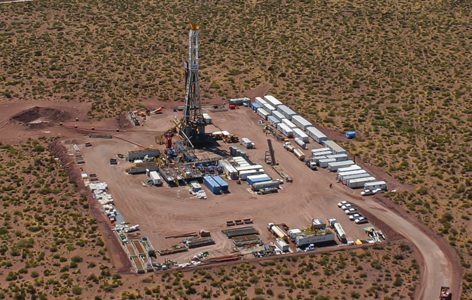
Devon Energy expects the Permian to drive low-single-digit oil production growth over the next few years. In its Q3 2026 earnings call, management described three ways it is improving the development program that supports that outlook: adapting well geometry to fit its acreage, refining how it completes wells, and appraising additional landing zones. Devon plans to direct roughly 75% of its $5.3 billion 2027 capital program to the basin.

Fitting four-mile wells into constrained acreage
A four-mile straight lateral requires a long, continuous drilling corridor. Where Devon’s acreage limits that option, the company is using a 2×2 U-turn design in the Permian. The well runs roughly two miles in one direction, turns, and runs roughly two miles back along a second leg. That geometry lets Devon pursue the cost-per-foot benefits of a four-mile lateral within a shorter acreage footprint.
The design is part of a wider shift toward longer wells. Devon plans 53 four-mile wells across four basins in 2027 and expects its average lateral length to increase by more than 10%. Management expects an all-in cost of about $750 per foot across the 2027 program, including drilling, completions, facilities and flowback. The call gave no separate cost figure for Permian U-turn wells.
Refining completions while scaling execution
Devon said it is using AI-based subsurface models to guide larger frac designs and is adding surfactants to its completions. Management reported encouraging results from surfactants in the Permian, with no quantified production uplift on the call. The operating question is whether those changes improve well performance enough to justify the added completion spend.
The clearest evidence of repeatable execution is in how Devon delivers those completions. Since combining with Coterra, the share of wells Devon simul-fracs rose from 68% to 75%. That is a measure of how widely the technique is used across the combined company. It shows Devon can scale a completion method across its fleet while continuing to refine what it pumps downhole.
Appraising the next landing zones
Devon is collecting data and tracking industry activity in the Woodford, Penn Shale and deep Wolfcamp as it evaluates where those targets might fit in the longer-term Permian program. Management said its existing co-development approach would continue while it appraises the deeper intervals.
That distinction matters for the growth outlook. Longer laterals and completion improvements are already shaping how Devon develops its current inventory. Deeper-zone appraisal could expand the inventory available for future development. It also has implications for the production mix, since management expects deeper intervals to be more gas-weighted.
What this says about shale industrialization
Devon’s factory approach is taking shape in the way it repeats what works across a large operating program while adapting individual well designs to the acreage and reservoir. U-turns help fit more lateral footage into constrained acreage. Simul-frac gives Devon a widely deployed way to execute completions. Appraisal tests which intervals could support the next round of development.
Devon’s preliminary 2027 outlook calls for low-single-digit growth in both oil and total production on the comparable asset base, with less capital than the combined company spent on those assets in 2026. Management attributed the improvement to a mix of merger synergies and operating efficiencies. The call did not assign a separate growth contribution to U-turn wells, larger fracs or surfactants. The strongest evidence for industrialization is how Devon is incorporating these practices into a program built to deliver modest growth with better capital efficiency.