
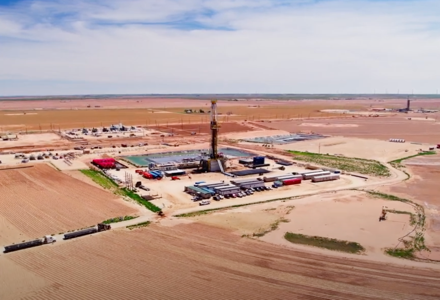
EOG Resources is building its 2027 operating plan around the pace it expects to carry through the fourth quarter of 2026. On the company’s Q3 earnings call, CEO Ezra Yacob pointed to the Q4 run rate as a starting point and described any additional activity as marginal. EOG sees room for low-single-digit oil production growth in 2027 if current oil supply and demand fundamentals hold.
The procurement team is already preparing for that pace. COO Jeffrey Leitzell said EOG had about 60% of its 2027 services contracted, toward the high end of its historical range. The company staggered contract lengths and renewal dates to manage exposure to rising service rates and had secured roughly half of its 2027 casing and tubular needs. Leitzell said the market for high-spec equipment had tightened, with pricing pressure varying by basin.
What It Says About the Shale Factory Model
EOG’s approach illustrates how an operator can plan for modest growth from an established activity base. Starting with the Q4 run rate gives operations and procurement a common baseline. Securing service capacity ahead of time helps protect that schedule against a tighter market. Execution gains also matter. EOG reported faster drilling and completion rates in both the Utica and Eagle Ford, showing how teams can get more work done within an existing program.
What It Means for Oilfield Service Companies
For incumbent providers, a steady activity baseline supports continuity, while staggered renewals make contract timing important. For suppliers pursuing new work, the opportunity is likely to be selective and basin-specific. A proposal that shows how it can reduce cycle time, improve equipment reliability, or lower cost per foot fits the priorities EOG laid out on the call. Management gave a companywide contracting figure, leaving the available work by basin and service category unspecified.

Author: phinds