
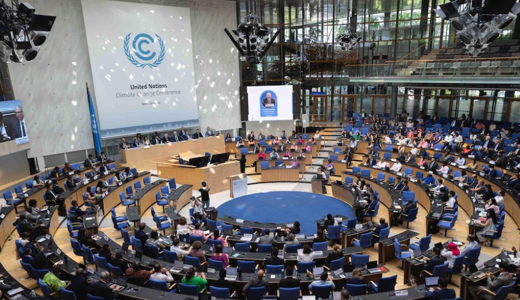
The United Nations’ 31st climate conference (COP31) ended in Turkey without a consensus after two weeks of negotiations that ran into overtime. Billed by the host as a summit focused on implementation, the talks stalled over reducing fossil fuel use, the role of carbon capture and storage, and funding climate action in developing countries. The United States was absent.

The European Union pushed for a final decision that explicitly addressed fossil fuels. Russia argued that cutting supply faster than demand could trigger shortages, higher prices, and a shift toward higher-emitting fuels. The impasse left operators without a common international timetable for reducing fossil fuel use or a clear signal on climate finance.
The article reports that the Energy Select Sector SPDR exchange-traded fund (XLE) gained 35% in 2026 while the iShares Global Clean Energy exchange-traded fund (ICLN) fell 15%. ExxonMobil rose 33% year to date, compared with a gain of less than 4% for NextEra Energy. Those figures show a gap in equity performance. The article reported no new production volumes, project awards, or operator spending commitments.
Industry Impact
For North American oilfield services (OFS), the outcome reinforces the U.S. Safe Barrel case. An established shale resource base, a deep service sector, and access to Gulf Coast export infrastructure make U.S. crude a dependable source of supply. The opportunity for service companies depends on how individual operators translate that advantage into funded drilling, completions, and production programs.
COP31 ended without agreement on fossil fuel reductions, carbon capture, or climate finance as traditional energy equities outperformed clean energy in the figures reported. For oilfield suppliers, active rigs and funded operator programs offer a more direct signal of service demand than the summit outcome.

Author: phinds