
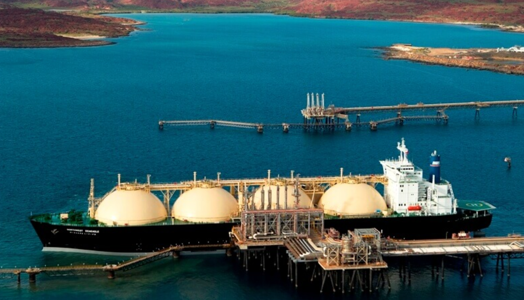
Canada’s LNG story is entering a decisive phase. After years of planning and capital investment, West Coast LNG export capacity is finally moving from concept to reality, creating a structural shift for Canadian natural gas markets. With projects such as LNG Canada, Cedar LNG, and Woodfibre LNG progressing toward late-decade start-ups, Canadian gas is gaining direct access to global markets rather than relying almost exclusively on North American demand and AECO pricing.
Why LNG Exports Benefit Canadian Natural Gas Producers
LNG exports benefit producers by expanding demand beyond a historically constrained domestic market, tightening regional supply-demand balances and supporting stronger pricing at home. As LNG terminals draw feedgas from Western Canada, surplus volumes that once pressured AECO are absorbed into export demand, reducing basis discounts and volatility. Importantly, even producers without direct LNG contracts benefit: higher system-wide utilization improves realized pricing across hubs, enhances cash flow stability, and strengthens the economics of long-life Montney and Deep Basin resources. LNG also links a portion of Canadian gas pricing to international benchmarks, improving diversification and reducing reliance on any single market.
How Canadian Producers Are Publicly Positioning Around LNG & Natural Gas
Below is how major Canadian producers themselves describe their LNG and natural gas exposure, based on investor materials, IR disclosures, and public commentary:
- Tourmaline Oil Corp. highlights long-term LNG feedgas exposure through its Uniper agreement tied to U.S. Gulf Coast LNG exports, while positioning itself as Canada’s largest gas producer with diversified marketing and hedging beyond AECO.
- ARC Resources Ltd. has the most direct LNG exposure, citing ownership in LNG Canada, Cedar LNG tolling capacity, and a long-term LNG sales agreement with ExxonMobil LNG Asia Pacific to access global pricing.
- Paramount Resources Ltd. emphasizes LNG indirectly, focusing on physical gas diversification and pricing exposure to non-AECO hubs such as Dawn and Malin rather than owning LNG assets.
- Ovintiv Canada ULC points to contracted LNG exposure through Cedar LNG, framing exports as a way to expand market access and strengthen its gas transportation portfolio.
- Peyto Exploration & Development Corp. does not plan to directly supply LNG Canada but consistently notes that LNG-driven demand should be constructive for pricing, supported by extensive hedging and hub diversification.
- Whitecap Resources Inc. treats LNG as non-core, emphasizing its liquids-weighted portfolio while managing gas exposure through price diversification rather than export participation.
- Canadian Natural Resources Limited references LNG primarily in a macro context, highlighting diversified gas marketing and the strategic use of natural gas for internal oil sands and thermal operations.
- Vermilion Energy Inc. downplays Canadian LNG, instead emphasizing its Global Gas portfolio with direct exposure to higher-priced European gas markets.
- Birchcliff Energy Ltd. positions LNG as an indirect tailwind, highlighting Montney/Doig gas exposure and owned processing infrastructure that benefits from tightening Western Canadian markets.
- Veren Inc. does not frame LNG as a core strategy, instead focusing on hedging and U.S. market-linked gas pricing to manage volatility through the mid-term.
Bottom Line
Canadian LNG is not just about export volumes — it is about re-pricing the entire natural gas system. Whether through direct LNG ownership, contracted export exposure, or indirect pricing uplift, producers are positioning to benefit from stronger demand, improved market access, and more resilient cash flows. As LNG capacity ramps later this decade, natural gas is increasingly shifting from a constrained commodity to a globally connected growth market.