Matador’s 2026 Development Model: A Blueprint for Modern Shale Execution

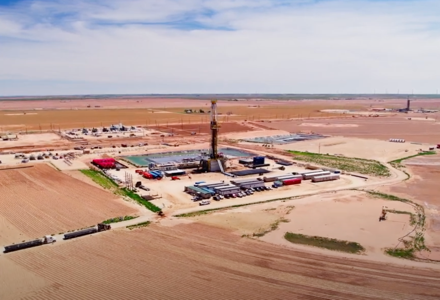
Matador’s 2026 development strategy reflects a shift to highly structured, pad-based drilling in the Delaware Basin, driven by consistent execution, contractor alignment, and predictable cadence. The company is prioritizing capital efficiency through repeatable single-zone development while selectively expanding into stacked zones to enhance long-term inventory value.

read more

US Navy blockade pushes oil above $100/bbl

Oil prices surged above $100 per barrel on April 13 as rising U.S.-Iran tensions and a planned blockade of Iranian-linked shipping through the Strait of Hormuz heightened supply disruption fears. The move has already impacted tanker activity and driven physical crude premiums higher, signaling continued volatility in global oil markets.

read more

Co-development vs. High-Density, Single-Section Drilling Program

Co-development refers to developing multiple formations together, while high-density, single-section development describes maximizing well density within a single section using a planned spacing strategy. In practice, high-density development can target either multiple formations or a single formation with multiple benches and is often executed in phases over time rather than all at once.

read more

Permian 2.0: A Real Section 36 High-Density, Single-Section Development —and What It Reveals About Diamondback’s Strategy

This dataset shows a fully coordinated section-level development program in Midland County, where multiple pads, leases, and rigs are executing a repeatable, factory-style drilling strategy within a single contiguous block. The combination of stacked depth targets and uniform horizontal drilling confirms a co-development model—exactly the type of high-efficiency, multi-zone development approach that companies like Diamondback are scaling across the Permian Basin.

read more