
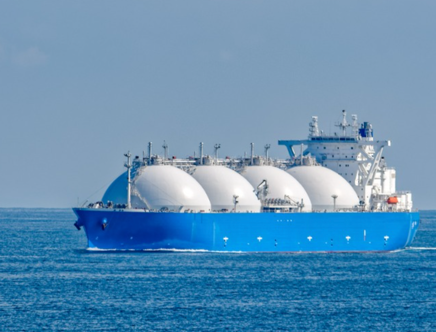
The global energy market is closely watching developments in Qatar after shipments halted at Ras Laffan, the world’s largest liquefied natural gas (LNG) export hub. While the disruption has immediate implications for Asia and Europe, a prolonged outage could also significantly affect natural gas prices in the United States.
Ras Laffan is responsible for exporting roughly 20% of the world’s LNG supply, making it one of the most critical energy facilities on the planet. If the facility remains offline for an extended period—such as several months—the ripple effects could tighten global LNG markets and increase demand for alternative supply sources.
Global Supply Shock
A prolonged outage at Ras Laffan would remove a substantial volume of LNG from the global market. Qatar exports more than 75 million tonnes of LNG annually, and even a partial disruption would create a supply gap that other producers would struggle to fill quickly.
Asia would likely feel the impact first. Countries like Japan, South Korea, and China rely heavily on Qatar for LNG imports. As these nations scramble to secure alternative cargoes, spot LNG prices could surge significantly, potentially reaching $25–$30 per MMBtu or higher during periods of strong demand.
Europe would also compete for the remaining global LNG supply, especially as the continent continues to rely on LNG imports following the reduction of Russian pipeline gas.
Why U.S. Natural Gas Prices Could Rise
Although the United States is not dependent on imported LNG, it is deeply connected to global markets through exports. U.S. LNG terminals along the Gulf Coast ship large volumes of natural gas to Europe and Asia.
If global LNG prices rise due to a Ras Laffan outage, U.S. exporters would benefit from higher international prices and would likely operate export facilities at maximum capacity. This would increase demand for U.S. natural gas feedstock, tightening domestic supply.
As a result, Henry Hub natural gas prices in the United States could rise, particularly if export demand remains strong for several months.
Opportunities for U.S. Producers
Higher global LNG prices could benefit several segments of the U.S. energy sector. Natural gas producers in major shale basins such as the Permian, Haynesville, and Marcellus would likely see stronger demand for their gas as LNG exporters seek additional supply.
At the same time, U.S. LNG exporters could gain market share as buyers look for reliable alternatives to Qatar’s supply.
A Reminder of Global Energy Interdependence
A prolonged outage at the world’s largest LNG export hub would highlight just how interconnected global energy markets have become. Even though the disruption originates in the Middle East, its impact could quickly reach North America through increased export demand and higher natural gas prices.