March 13, 2026
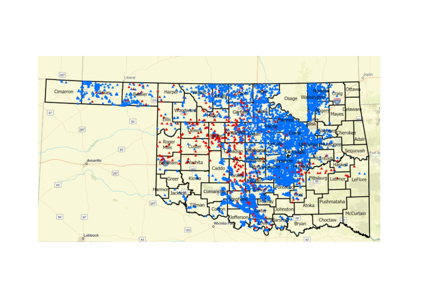
Drilling activity in Oklahoma during early 2026 continues to be driven by a relatively small group of operators running consistent development programs across the Anadarko Basin and SCOOP/STACK plays.
At the same time, a second tier of operators running smaller programs is beginning to emerge. These companies may represent the next wave of drilling expansion depending on commodity prices, acreage development strategies, and infrastructure access.
This report compares wells drilled in 2025 vs 2026 year-to-date, summarizes rig activity, and highlights operators worth watching based on current drilling momentum.
The analysis covers 229 operators currently active in the Oklahoma drilling dataset.
Wells Drilled: 2025 vs 2026
While 2025 saw strong drilling activity, early 2026 drilling has been more concentrated among a core group of operators maintaining active rigs.
Year Wells Drilled 2025 522 2026 (YTD) 114
Key Insight
The majority of wells drilled so far in 2026 are coming from operators running continuous development programs, rather than sporadic drilling campaigns.
This concentration is typical of mature shale plays where:
- operators run multi-rig drilling programs
- development follows repeatable pad drilling models
- service demand becomes more predictable and recurring
For oilfield service companies, this type of environment typically produces stable purchasing cycles for drilling and completion services.
Rig Count Summary
Rig activity in Oklahoma remains concentrated among a relatively small group of operators running development programs.
Metric Value Total Operators Analyzed 229 Active Rigs 43
Most of these rigs are controlled by companies running structured development programs, which typically drive demand for:
- drilling contractors
- completions services
- directional drilling
- drilling fluids and chemicals
- infrastructure and logistics services
For oilfield sales teams, this type of drilling environment often creates repeat service contracts and long-term vendor relationships.
Steady-State Operators Driving Oklahoma Drilling
A small group of operators qualify as steady-state developers, meaning they maintain active rigs and consistent well development programs.
These companies represent the core of Oklahoma drilling activity in 2026.
Top Steady-State Operators
| Operator | Rigs | Wells Drilled 2026 | Wells Drilled 2025 |
|---|---|---|---|
| Mewbourne Oil Company | 5 | 12 | 60 |
| Continental Resources | 4 | 12 | 52 |
| Validus Energy | 2 | 12 | 38 |
| Camino Natural Resources | 4 | 9 | 34 |
| Devon Energy | 2 | 8 | 31 |
| Ovintiv USA | 1 | 3 | 35 |
| Mach Resources | 1 | 4 | 24 |
| Coterra Energy | 2 | 6 | 21 |
| Calyx Energy | 1 | 4 | 12 |
What This Means
These companies represent the core development programs in Oklahoma and are likely to maintain:
- multi-rig drilling schedules
- steady completion programs
- long-term service vendor relationships
For oilfield service providers, these operators typically represent the most stable revenue opportunities in the region.
The Next Tier of Operators to Watch
Beyond the large developers, several operators are running smaller drilling programs that could expand depending on market conditions.
Single-rig programs often scale quickly when:
- commodity prices improve
- acreage development accelerates
- operators move from appraisal to full development drilling
Emerging Operators
| Operator | Rigs | Wells 2026 | Wells 2025 |
|---|---|---|---|
| Charter Oak Production | 1 | 2 | 6 |
| Citizen Energy III | 1 | 2 | 5 |
| Upland Resources | 1 | 2 | 8 |
| Eckard Operating | 1 | 2 | 13 |
| Duncan Oil Properties | 1 | 1 | 4 |
| Culbreath Oil & Gas | 1 | 1 | 0 |
| Flywheel Energy | 1 | 3 | 0 |
Why These Companies Matter
Many of these companies fall into the mid-size independent operator category, which historically has been responsible for bursts of drilling growth during favorable market conditions.
These operators are often:
- expanding acreage positions
- testing new zones
- transitioning from exploration to development drilling
For service companies, this group often represents the next generation of multi-rig operators.
Market Structure: Three Tiers of Oklahoma Operators
The Oklahoma drilling market currently falls into three clear tiers of activity.
Tier 1: Core Developers
Operators running multiple rigs and continuous development programs.
Examples include:
- Mewbourne Oil Company
- Continental Resources
- Validus Energy
- Camino Natural Resources
- Devon Energy
These companies control a large share of drilling activity in the state.
Tier 2: Emerging Development Programs
Operators currently running single-rig programs that could expand.
Examples include:
- Charter Oak Production
- Citizen Energy
- Upland Resources
- Eckard Operating
These companies often transition into multi-rig programs as development accelerates.
Tier 3: Opportunistic Drillers
Companies drilling occasional wells tied to:
- lease obligations
- commodity price cycles
- joint venture drilling programs
While smaller in scale, these operators can still generate targeted service opportunities.
What This Means for Oilfield Sales Teams
For companies selling drilling, completion, or oilfield services, the data suggests a clear targeting strategy.
Focus 1: Core Developers
These operators provide:
- consistent drilling activity
- repeat service demand
- stable vendor relationships
Focus 2: Emerging Operators
This group offers:
- strong growth potential
- early supplier relationship opportunities
- expanding drilling programs
Focus 3: Opportunistic Drillers
These companies create short-term project opportunities tied to specific wells or development phases.
Final Takeaway
Oklahoma drilling activity in 2026 remains concentrated among a core group of steady-state developers running continuous drilling programs.
However, a number of mid-size operators are beginning to expand their drilling activity, creating the potential for new service demand across the region.
For oilfield service companies and business development teams, the opportunity lies in balancing relationships with established multi-rig operators while identifying the next tier of companies expanding their drilling programs.