
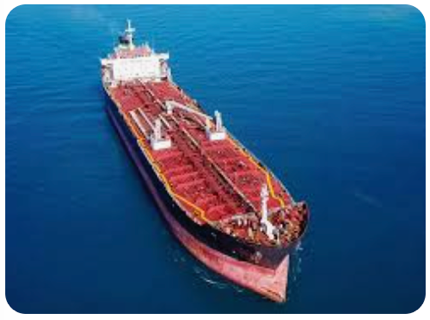
Tensions in the Middle East escalated this week after multiple commercial vessels were attacked near key oil export routes in the Persian Gulf. According to reports, a Bahamas-flagged crude oil tanker was targeted by an Iranian remote-controlled explosive boat near an Iraqi port, while another tanker anchored off Kuwait suffered a major explosion and began taking on water. Since the conflict between the United States, Israel, and Iran intensified over the weekend, at least nine commercial vessels have reportedly been attacked.
The incidents are already disrupting shipping activity in the region. Reuters estimates that roughly 200 vessels — including crude oil tankers, liquefied natural gas carriers, and cargo ships — are currently anchored in open waters while operators assess security risks. Hundreds of additional ships are waiting outside the Strait of Hormuz, unable or unwilling to enter the narrow waterway that serves as the primary export corridor for Persian Gulf energy supplies.
The Strait of Hormuz is one of the most important energy chokepoints in the world. Roughly one-fifth of global oil consumption and a significant share of global LNG exports pass through the strait each day. Major producers including Saudi Arabia, Iraq, Kuwait, the United Arab Emirates, and Qatar rely on the route to move energy supplies to global markets.
Even limited disruptions in tanker traffic can quickly impact global energy markets. Shipping delays, rising insurance costs, and security concerns often lead to tighter supply conditions and increased price volatility. If attacks on commercial vessels continue or shipping traffic slows further, oil and LNG markets could begin pricing in a geopolitical risk premium.
For North American producers, the situation underscores the strategic importance of alternative energy supply routes. U.S. crude exports, Gulf Coast LNG shipments, and Canadian oil production all become more critical to global supply stability when Middle East shipping lanes face heightened risk.
While it remains unclear whether the current attacks will escalate further, the events highlight how quickly geopolitical tensions can ripple through global energy markets — particularly when they occur near one of the world’s most important oil and gas transportation corridors.