
As electricity demand accelerates—driven by electrification, AI data centers, and reshoring—2026 is shaping up to be a pivotal year for U.S. power infrastructure. Three large-scale projects coming online highlight just how diverse, capital-intensive, and strategic the next generation of energy development has become.
SunZia Wind Project – New Mexico
At 3.5GW, the SunZia Wind Project will be the largest onshore wind project ever built in the U.S. and the Western Hemisphere. Developed by Pattern Energy, SunZia pairs massive generation capacity with the 885-km SunZia Transmission Line, solving one of renewables’ biggest challenges: delivering power to load centers. With enough output to power roughly three million homes and long-term PPAs with Shell Energy and the University of California, the project underscores how scale and transmission are now inseparable in renewable development.
Project Matador – Texas
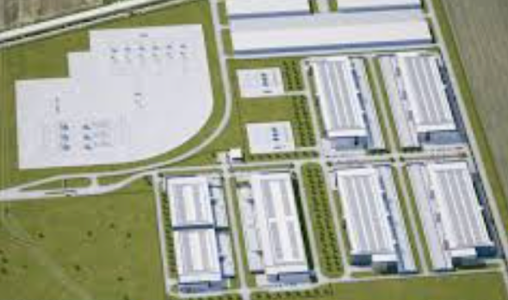
While SunZia represents renewable scale, Project Matador represents energy convergence. Led by Fermi America, the planned 11GW hybrid power and AI data-center complex blends natural gas, large-scale nuclear, SMRs, and solar to power over 18 million square feet of data centers. The first phase—1GW of gas-fired generation—is targeted for late 2026 and recently reached a milestone with the delivery of Siemens SGT-800 turbines. Matador reflects a new reality: reliable, dispatchable power is now foundational to digital infrastructure and national competitiveness.
Hell’s Kitchen Geothermal Project – California
Often overlooked, geothermal takes center stage at the Hell’s Kitchen Geothermal Project near the Salton Sea. Developed by Controlled Thermal Resources, the project aims to deliver up to 500MW of 24/7 baseload geothermal power while simultaneously producing battery-grade lithium using a cleaner, ion-exchange extraction process powered by on-site geothermal energy. Although initial commissioning of the first 50MW phase may slip into 2027, the project highlights how power generation, critical minerals, and energy security are increasingly intertwined.
Why These Projects Matter
Together, these developments show the future of U.S. power isn’t defined by a single technology. Instead, it’s shaped by scale, reliability, transmission access, and integration with industrial demand—from AI data centers to EV supply chains. Wind, gas, nuclear, and geothermal aren’t competing in isolation; they’re becoming complementary pillars of a more complex and resilient energy system.
2026 won’t just add capacity—it will redefine how and why power gets built.