

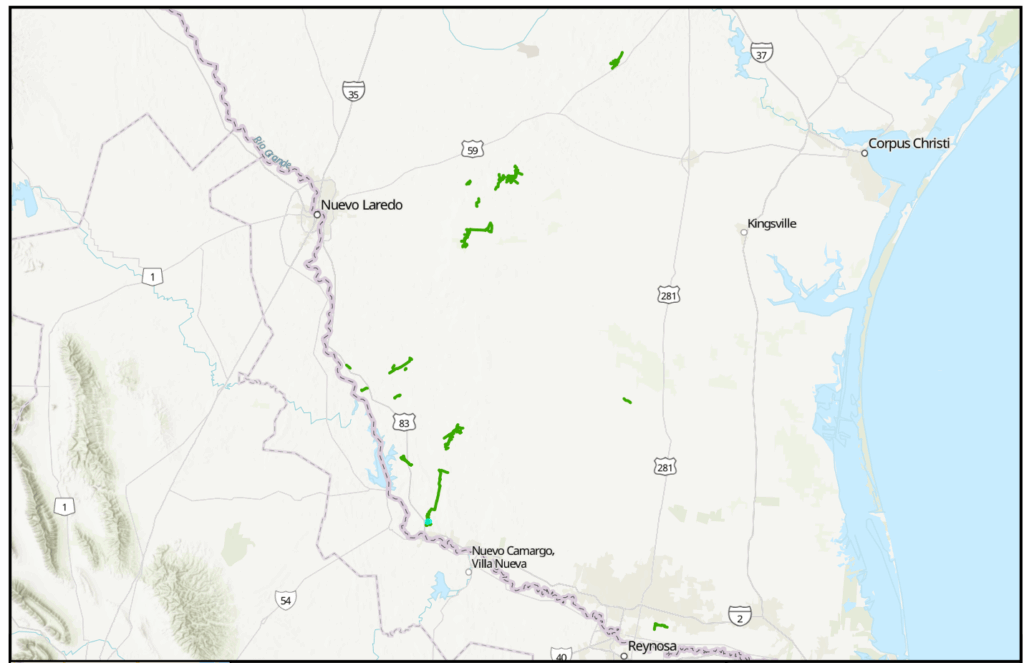
Privately funded operator Varas Energy has taken a major step toward long-term, conventional oil and gas development in South Texas. On December 5, 2025, the Texas Railroad Commission approved a new T-4 pipeline permit (No. 10739) authorizing Varas to operate more than 150 miles of natural gas gathering lines across eight counties in the region. The system was formerly filed under Hugoton Operating Company, Inc., a bankrupt operator undergoing Chapter 11 restructuring.
The transfer of this infrastructure is more than a bureaucratic update. It represents renewed investment in mature fields across South Texas, a region still rich with conventional energy potential but underserved by infrastructure funding and optimization.
What Was Transferred?
Varas Energy acquired the system from Hugoton Operating Company, along with the ability to legally operate and maintain it under state pipeline safety rules. The assets include:
- 146.41 miles of pipeline under permit
- 32.55 miles of regulated gas pipeline
- 113.86 miles of non-regulated gathering lines
- Coverage across Brooks, Duval, Hidalgo, Jim Hogg, McMullen, Starr, Webb, and Zapata Counties
These are low-pressure gathering lines designed to move produced natural gas from field wells to processing and treating facilities. In other words: they’re built to support the type of conventional production that dominates South Texas.
Why Does This Matter?
For many small and mid-sized producers, infrastructure is the bottleneck, not geology. Pipelines are the difference between producing wells that make money and stranded barrels or flared gas that never leaves the lease.
The T-4 transfer tells us two things:
1) Varas Isn’t Just Acquiring Wells — It’s Acquiring the Value Chain
Owning gathering infrastructure allows a conventional producer to:
- Reduce third-party fees
- Capture more value from gas streams
- Optimize field redevelopment timelines
- Control flaring and emissions compliance
This is a vertical growth strategy, not just lease-by-lease acquisition.
2) South Texas Conventional Fields Are Far From “Dead”
There is a perception that South Texas is all about shale or isn’t attractive without massive drilling budgets. But conventional assets:
- Decline slowly
- Can be redeveloped cost-effectively
- Generate long-term, predictable cash flow
- Are more resilient in low price cycles
Varas is betting on value + longevity, not short-cycle hype.
The South Texas Market Impact
Infrastructure Stability Amid Operator Bankruptcies
With Hugoton in bankruptcy and its assets fragmented, the permit transfer stabilizes pipeline ownership. This reduces risk for royalty owners, processors, and midstream partners.
Reduced Flaring and Better ESG Compliance
Owning gathering systems means fewer stranded wells and lower flaring volumes. For producers, it’s smart business. For communities, it means cleaner operations and fewer environmental penalties in the region.
Investment Returning to Conventional Fields
For years, private capital chased shale megaprojects. Today, private equity and private operators like Varas are rediscovering disciplined, cash-flow-first conventional development. The permit signifies a move toward:
- Maintenance + optimization capital
- Reworking existing wells
- Selective drilling tied to infrastructure capacity
This is oil and gas with sustained economics, not boom-and-bust.
A Strategic Move in a Market That’s Changing
As the U.S. LNG boom accelerates and Gulf Coast gas demand spikes, South Texas sits in a critical position. Operators who already control infrastructure will be the ones to:
- Capture higher gas value
- Expand without bottlenecks
- Monetize production from mature fields
Varas Energy is positioning itself to be one of them.
Closing Thoughts
Varas Energy’s pipeline permit transfer is more than a regulatory filing—it’s a signal of a new development phase in South Texas conventional oil and gas. By combining experienced management with infrastructure-backed field optimization, Varas is not just operating wells. It’s building a platform for long-term, responsible development in a region often overlooked by capital markets.
South Texas still has a lot to give. And operators with patience, discipline, and infrastructure are going to be the ones who unlock it.