
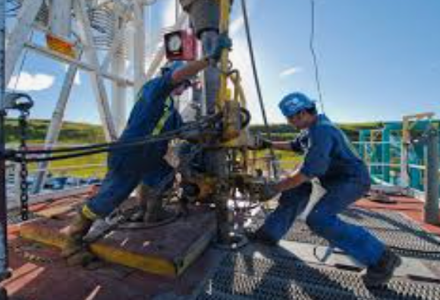
Venezuela has re-entered global energy conversations in a dramatic way, reigniting debate about the future of its oil sector and the ripple effects across the oilfield services industry. While headlines suggest momentum and opportunity, the consensus view emerging from analysts and investors is more measured: Venezuela represents a long-cycle redevelopment story, not an immediate production surge.
Still, if reengagement progresses, oilfield services stand to play a central role.
A Basin That Requires Rebuilding, Not Restarting
Venezuela holds some of the world’s largest heavy-oil resources, particularly in the Orinoco Belt. Years of sanctions, underinvestment, asset seizures, and operational decline have left the country’s energy infrastructure degraded. Restarting production is not simply a matter of turning valves back on.
Redevelopment would require:
- New seismic and subsurface evaluation
- Extensive drilling and completions campaigns
- Well workovers and production optimization
- Rebuilding gathering, processing, and export infrastructure
This type of work is service-intensive, positioning oilfield services as a key enabler if activity resumes at scale.
Why the Timeline Matters
Despite optimistic political messaging suggesting rapid redevelopment, most market participants expect Venezuela’s recovery to unfold over many years, potentially stretching toward the end of the decade.
Several realities temper expectations:
- Legal protections must be established to prevent repeat asset seizures
- Compensation disputes with prior operators remain unresolved
- Capital investment requirements are massive
- Oil prices remain under pressure, reducing near-term incentives
As a result, any meaningful increase in oilfield services demand tied to Venezuela is widely viewed as long-dated optionality, not a near-term earnings driver.
Strategic Importance to the United States
One factor keeping Venezuela relevant is crude quality. Venezuelan heavy oil closely matches the feedstock needs of U.S. Gulf Coast refineries, making it a potential substitute for Canadian crude imports.
The U.S. currently imports millions of barrels per day from Canada, much of which travels long distances via pipeline. Strategically, Venezuelan crude could:
- Shorten supply chains
- Reduce transportation costs
- Strengthen U.S. leverage in global energy trade
This strategic alignment increases the likelihood of gradual reengagement, even in a lower-price environment.
The Role of Oilfield Services in a Modern Redevelopment
If redevelopment proceeds, it is unlikely to resemble legacy oilfield development. Instead, analysts expect a more technology-driven approach, emphasizing efficiency, automation, and data-driven decision-making.
Key themes include:
- Automation to prevent drilling errors and non-productive wells
- Artificial intelligence for subsurface modeling and field development planning
- Digital platforms to process, store, and analyze drilling and production data
- Remote operations to reduce costs and operational risk
Oilfield services companies that combine traditional execution capability with digital tools are expected to be best positioned in complex environments like Venezuela.
A Broader Industry Signal
Even if Venezuela’s redevelopment remains slow, the discussion itself highlights a broader shift underway in oilfield services:
- Growth is increasingly tied to long-cycle international projects
- Digital and AI capabilities are becoming core, not optional
- Recurring software and data revenue is viewed as a stabilizer during commodity downturns
Venezuela serves as a case study for how future oilfield work may look: capital-disciplined, technologically enabled, and heavily reliant on specialized service providers.
Conclusion: Opportunity, With Patience Required
What’s being said about Venezuela and oilfield services is ultimately a story of potential, not immediacy. The country’s oil resources are vast, but unlocking them will take time, trust, capital, and modern execution.
For oilfield services, Venezuela represents:
- A long-term growth option rather than a short-term catalyst
- A test case for technology-enabled redevelopment
- A reminder that future growth may come from rebuilding legacy basins, not just expanding new ones
If Venezuela’s oil sector does reawaken, oilfield services will be central to the effort—but patience will be required long before the full impact is realized.