

The recent merger approval between SM Energy and Civitas Resources does more than combine two upstream portfolios — it creates a geographically diverse drilling platform with exposure to several of the most resilient basins in the Lower 48.
As the companies move into integrated development planning, the combined drilling record since 2025 provides early insight into how capital, rigs, and execution priorities are likely to shape activity through 2026.
Across 361 total drilling records, the merged entity emerges as a multi-basin operator positioned for flexibility rather than aggressive growth.
Where SM Energy and Civitas Are Drilling
Post-merger activity highlights clear concentration across five core regions — signaling where development momentum is already established.
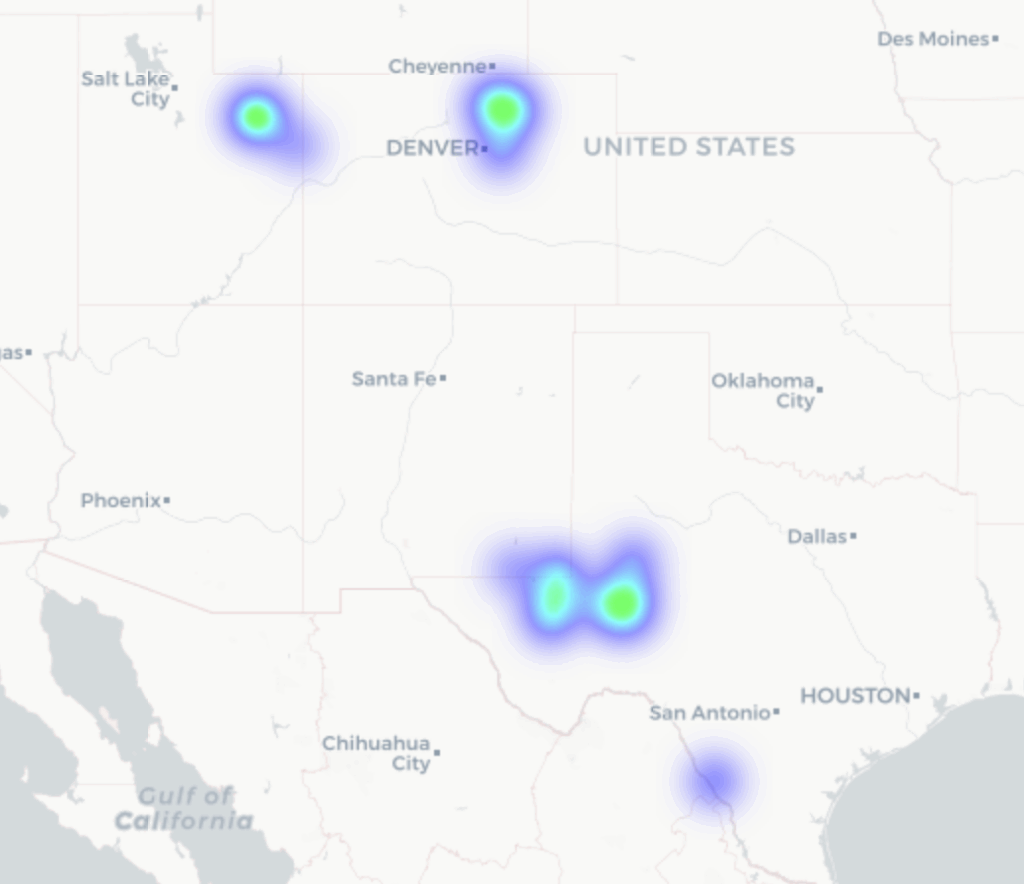
🔥 Primary Activity Hotspots
Uinta Basin — Duchesne County, Utah (54 records)
The Uinta Basin stands out as the largest area of combined drilling activity. SM Energy and Civitas have both increased exposure here as operators seek stable oil-weighted returns supported by improving infrastructure and repeatable development.
Denver-Julesburg Basin — Weld County, Colorado (46 records)
Weld County remains one of the most active drilling regions in the U.S. despite regulatory headwinds. Civitas’ established DJ position, now paired with SM Energy’s broader operational scale, reinforces the basin’s role as a core contributor through 2026.
🛢️ Permian Basin Core Counties
The merger significantly deepens combined exposure across both Midland and Delaware sub-basins:
- Upton County, TX – 44 records
- Lea County, NM – 29 records
- Martin County, TX – 21 records
- Loving County, TX – 17 records
- Reagan County, TX – 18 records
- Reeves County, TX – 12 records
Rather than relying on a single drilling corridor, SM Energy and Civitas now control inventory across multiple Permian core counties — allowing development sequencing based on returns, takeaway, and service costs rather than short-term commodity swings.
⛽ Eagle Ford Optionality
Webb County, Texas (35 records)
South Texas activity remains meaningful, underscoring the Eagle Ford’s role as a swing basin. The combined footprint supports short-cycle flexibility and cash flow stability when operators adjust capital programs.
What the Combined Activity Signals for 2026
The merged drilling footprint reveals a clear strategic direction:
- Diversified basin exposure reduces regulatory and price risk
- Inventory depth enables multi-year planning
- Stable drilling cadence replaces boom–bust cycles
- Capital discipline remains structural, not cyclical
Rather than expanding total rig counts, SM Energy and Civitas appear positioned to optimize drilling efficiency across established counties with existing infrastructure and proven well performance.
The Strategic Takeaway
The SM Energy–Civitas merger is not about drilling more wells — it’s about controlling where drilling happens and when capital is deployed.
The combined 2025–2026 activity footprint shows a company built around:
- Core basin concentration
- Long-life inventory
- Manufacturing-style execution
- Predictable development programs
As 2026 approaches, the counties leading drilling today — from the Uinta and DJ to the Permian and Eagle Ford — offer a clear roadmap for where rigs, services, and capital are most likely to flow next.

Author: phinds