
Tensions in the Middle East escalated sharply this week after a drone strike hit the Kuwait-flagged oil tanker Al-Salmi off the coast of Dubai. The vessel, capable of carrying approximately two million barrels of crude oil, was set on fire in what authorities described as a targeted attack. While the fire has been contained and no injuries were reported, the risk of an oil spill remains under evaluation.
The incident comes amid a broader escalation in regional conflict, with ongoing military activity involving Iran, Israel, and U.S. forces. Recent weeks have seen attacks on commercial shipping, missile strikes on energy infrastructure, and growing threats to key transit routes.
The location of the strike is particularly significant. The tanker was operating near the Strait of Hormuz, one of the world’s most critical energy corridors, through which roughly 20% of global oil supply passes. Any disruption in this region immediately raises concerns about supply security and global pricing stability.
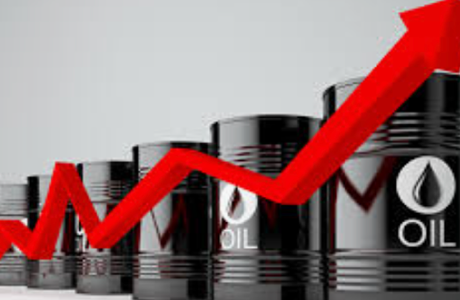
Markets reacted quickly. Crude oil prices surged above $100 per barrel, while gasoline prices in the U.S. have now climbed past $4 per gallon for the first time since 2022. According to AAA, the national average for regular gasoline reached $4.02 per gallon—more than a dollar increase since the conflict began in late February.
While this is a national average, prices vary widely by state, with some regions already well above $4 due to local supply dynamics and tax structures. The rapid rise in fuel costs is being driven by volatility in crude oil markets, as the conflict continues to disrupt supply chains and tighten global oil availability.
Beyond immediate price impacts, the attack is likely to increase shipping insurance costs and create hesitation among operators moving crude through the Gulf.
This event underscores a growing shift in energy market risk. It is no longer limited to production disruptions—transportation and refining infrastructure are now increasingly targeted. As a result, global buyers may begin to place greater emphasis on supply diversification, with increased attention on North American production and other lower-risk regions.
With no clear de-escalation in sight, the situation remains fluid. For energy markets, the key question is no longer whether disruptions will occur—but how far they will spread.

Author: phinds