
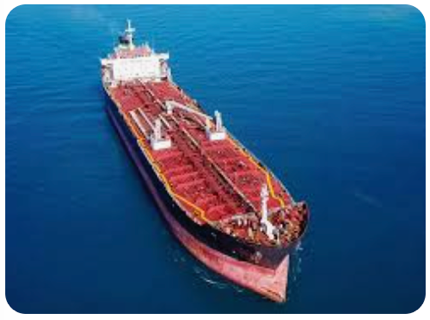
The fragile ceasefire between the U.S. and Iran has eased immediate military tensions in the Middle East, but the ongoing closure of the Strait of Hormuz remains one of the biggest risks to global energy markets and the world economy.
More than 11 million barrels per day of Gulf crude production is currently impacted, while global LNG markets have lost access to over 20% of supply. The longer the Strait remains disrupted, the greater the pressure on oil, natural gas, electricity prices, and economic growth.

Wood Mackenzie outlined three possible scenarios for how the crisis could unfold:
- Quick Peace: The Strait reopens quickly, oil prices stabilize near $80/bbl before easing in 2027, and LNG markets recover by 2028.
- Summer Settlement: Disruptions continue through summer 2026, tightening oil and LNG supply and triggering a mild global recession.
- Extended Disruption: A prolonged closure through the end of 2026 could push oil prices toward $200/bbl, create severe LNG shortages, and trigger a deep global recession.
The crisis is also accelerating discussions around energy security. Import-dependent countries in Europe and Asia may pursue faster electrification, expanded renewable energy, nuclear development, and alternative supply chains to reduce dependence on Middle East oil and gas.
For oil and gas producers, the conflict highlights the importance of export diversification, storage infrastructure, and alternative transportation routes outside the Strait of Hormuz.
The outcome of the conflict could have lasting impacts on global oil demand, LNG trade flows, investment strategies, and the future balance between hydrocarbons and electrification.

Author: phinds