
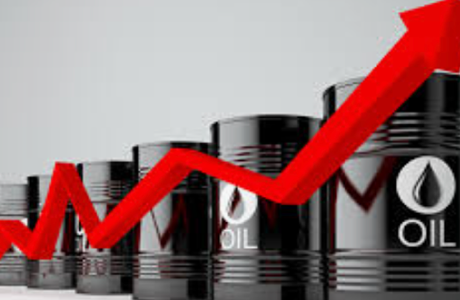
Recent market analysis suggests that China’s evolving approach to crude oil purchasing could become an increasingly important factor in global oil price stability. Rather than consistently increasing imports during periods of supply disruption, China has demonstrated the ability to adjust purchases by drawing on strategic and commercial inventories. This approach may reduce demand during periods of elevated prices, limiting the magnitude and duration of future oil price spikes.
The shift has implications beyond short-term trading. China remains the world’s largest crude oil importer, and its purchasing decisions have a significant influence on global supply-demand balances. If imports are reduced when prices rise and increased when prices decline, China’s inventory management could act as a moderating force on the oil market. Analysts suggest this behavior may help keep long-term crude prices closer to the $70 per barrel range rather than allowing sustained rallies above $80 per barrel.
For upstream operators, the outlook is particularly important when evaluating large offshore developments. Deepwater projects typically require multi-billion-dollar capital commitments and are sanctioned based on long-term oil price expectations rather than current spot prices. A prolonged environment of moderate oil prices could encourage operators to focus on capital discipline, prioritize lower-cost developments, and delay higher-cost offshore investments until stronger pricing fundamentals emerge.
Offshore drilling contractors such as Noble Corporation continue to benefit from existing multi-year contract backlogs that provide revenue visibility through the next several years. However, future contract awards, day rates, and fleet utilization beyond the current backlog will largely depend on exploration and production (E&P) companies’ confidence in sustained long-term oil prices rather than temporary market disruptions.
Industry Impact
For the North American oil and gas industry, China’s purchasing strategy has become an important market indicator alongside Organization of the Petroleum Exporting Countries (OPEC) production policy and U.S. shale activity. Operators, oilfield service companies, drilling contractors, suppliers, and investors should closely monitor Chinese import trends, as they may increasingly influence capital spending decisions, offshore project approvals, and long-term demand expectations across the global energy market.


Author: phinds