
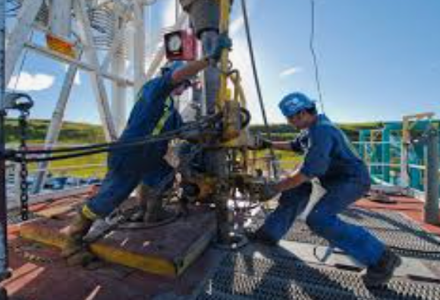
Several operators recorded their first U.S. well permit approvals of the year last week, providing an early indication of renewed drilling activity, expansion plans, or re-entry into active development programs. While many of these companies maintain relatively small operated portfolios, the new permits highlight continued investment across conventional and unconventional plays in Oklahoma, Kansas, New Mexico, Texas, North Dakota, and Louisiana.

Casillas Petroleum Corp.
Producer Persona: Steady-State Operator
Casillas Petroleum Corp. returned to permitting activity with its first permits of the year, signaling continued investment in its Mid-Continent operations. The Tulsa-based independent operates approximately 439 producing wells across Oklahoma and Kansas and has built its business through disciplined acquisitions and optimization of mature conventional assets. New permits suggest the company remains committed to sustaining production through targeted development rather than pursuing aggressive growth.
Estacado Resources, LLC
Producer Persona: Emerging Operator
Estacado Resources received its first permit approvals of the year as it continues developing assets in the Permian Basin. Although the company currently operates only one producing well, the new activity may represent the beginning of a broader development program in Howard County, Texas. Companies at this stage are typically building an operated position and establishing a longer-term drilling inventory.
Heberdev Operating, LLC
Producer Persona: Emerging Operator
Heberdev Operating entered the permit pipeline despite having no publicly reported producing wells. The company’s recently approved North Dakota drilling permits indicate it is transitioning from project development into operated drilling activity, positioning itself as a new entrant in the Williston Basin. This is the type of operator suppliers often watch closely as new development programs ramp up.
Knighton Oil Company, Inc.
Producer Persona: Steady-State Operator
Kansas-based Knighton Oil secured its first permits of the year, reinforcing its long-standing strategy of managing mature conventional assets. The company currently operates approximately 59 producing wells and has managed or drilled more than 361 wells throughout its history. Knighton represents a traditional independent producer focused on sustaining production through selective development rather than high-growth shale programs.
MR NM Operating LLC
Producer Persona: Growth-Oriented Private Operator
MR NM Operating expanded its Delaware Basin development program with its first permit approvals of the year. The operator manages approximately 45 wells, including 20 producing wells, and continues to grow its position in Eddy County, New Mexico through horizontal drilling. Backed by private capital, the company represents an active growth-focused operator pursuing scalable unconventional development.
Palmer Operating LLC
Producer Persona: Steady-State Operator
Palmer Operating recorded its first new permits of the year while continuing to operate approximately 66 producing wells in Archer County, Texas. The company focuses on extending the productive life of mature conventional oil fields, making it representative of operators that generate consistent demand for production optimization, maintenance, and workover services.
Phoenix Energy
Producer Persona: Growth Operator
Phoenix Energy continues its rapid expansion in the Bakken with its first permits of the year. The California-based independent operates approximately 147 producing wells and has drilled 140 wells, making it one of the faster-growing privately held operators in the Williston Basin. Its continued permitting activity reflects an aggressive development strategy supported by both operated drilling and mineral acquisitions.
Universal Oil Co.
Producer Persona: Legacy Conventional Operator
Universal Oil received its first permit approvals of the year as it continues managing mature oil properties in northwest Louisiana. The company currently operates approximately 4 producing wells within a 14-well portfolio, focusing on maximizing recovery from established conventional fields. Operators in this category typically emphasize low-risk, capital-efficient development of legacy assets.
WNR Haynesville Operating, LLC
Producer Persona: Emerging Natural Gas Operator
WNR Haynesville Operating secured its first permits of the year as it builds its position in the Haynesville Shale. While a public operated well count is not yet available, the approvals indicate the company is advancing its natural gas development program across Louisiana and East Texas. The company appears to be in the early growth phase, establishing an operated footprint in one of North America’s premier natural gas basins.
Producer Persona Summary
| Producer Persona | Companies | Characteristics |
|---|---|---|
| Steady-State Operators | Casillas Petroleum, Knighton Oil, Palmer Operating | Established independents with stable production, selective drilling programs, and long-term asset management strategies. |
| Emerging Operators | Estacado Resources, Heberdev Operating, WNR Haynesville | Building operated portfolios through initial drilling campaigns and early-stage development. |
| Growth Operators | MR NM Operating, Phoenix Energy | Expanding drilling inventories, increasing production, and actively investing in horizontal development. |
| Legacy Conventional Operator | Universal Oil Co. | Focused on maximizing production from mature conventional fields through disciplined, lower-risk development. |
Market Intelligence
This week’s first permit approvals demonstrate that new drilling activity is not limited to the industry’s largest public operators. The permits span a diverse mix of steady-state independents maintaining mature asset bases, emerging operators launching new drilling programs, growth-focused companies expanding unconventional development, and legacy producers investing in existing fields. For oilfield service companies, equipment suppliers, and investors, these first permits provide an early signal of where drilling activity—and future demand for products and services—may develop over the coming months.
For an oilfield service (OFS) company, this list is much more than a record of permit approvals—it is an early sales intelligence report. Operators receiving their first permits of the year are often entering a new budgeting cycle, launching drilling programs, or reactivating projects, creating opportunities to engage before work is awarded.
How OFS Companies Can Use This List
1. Identify New Sales Opportunities
First permits often indicate that an operator is preparing to mobilize drilling, completions, or production activity. This gives sales teams an opportunity to contact the operator before service contracts are fully awarded.
Best targets:
- Heberdev Operating
- Estacado Resources
- WNR Haynesville
These emerging operators may still be building their vendor network.
2. Prioritize Accounts by Producer Persona
| Producer Persona | Sales Strategy |
|---|---|
| Growth Operators | Pursue aggressively. Expect ongoing drilling, repeat work, and larger service opportunities. |
| Emerging Operators | Focus on becoming an approved vendor early. Winning initial work can lead to long-term relationships. |
| Steady-State Operators | Offer production optimization, maintenance, artificial lift, chemicals, workovers, and recurring field services. |
| Legacy Conventional Operators | Position cost-effective maintenance, repair, production enhancement, and abandonment services. |
3. Forecast Regional Demand
The permits indicate where activity is beginning.
- Permian Basin → drilling services, pressure pumping, directional drilling, tubulars
- Delaware Basin → completions, water management, production equipment
- Haynesville → gas-focused drilling and compression services
- Williston Basin → Bakken drilling, completions, logistics
- Kansas/Oklahoma → conventional production services and workovers
Regional managers can use this information to allocate personnel, inventory, and equipment ahead of increased activity.
4. Prepare Account Plans
For each operator:
- Review historical drilling activity.
- Identify recently awarded rigs.
- Monitor additional permits.
- Track spud dates.
- Identify drilling contractors.
- Research key operations and drilling personnel.
The first permit is often the beginning of a larger drilling campaign.
5. Watch for Permit Momentum
One permit rarely tells the full story.
Sales teams should monitor:
- Additional permits over the next 30–90 days
- Rig assignments
- First spud dates
- Completion activity
- New lease acquisitions
A company that files one permit today may file dozens more over the next quarter.
6. Build Territory Intelligence
The list helps identify:
- New operators entering a basin
- Existing operators restarting drilling
- Private equity-backed companies increasing capital deployment
- Conventional operators expanding development programs
This allows sales managers to adjust territory priorities before competitors recognize the trend.
7. Target Decision Makers Early
Once permits are issued, begin engaging:
- Drilling Managers
- Completions Managers
- Production Superintendents
- Supply Chain Managers
- Procurement Specialists
- Field Superintendents
- Operations Managers
Early engagement improves the likelihood of being included in requests for quotes (RFQs), vendor qualification processes, and bid lists.
Sales Intelligence Takeaway
Operators receiving their first permits of the year represent some of the highest-value prospecting opportunities because they signal the beginning or renewal of capital activity. Growth and emerging operators often provide the greatest upside for new business, while steady-state and legacy operators offer recurring revenue through maintenance, production optimization, and field services. By combining permit intelligence with producer personas, OFS companies can prioritize accounts, align sales resources, and engage customers before drilling programs accelerate and purchasing decisions are finalized.


Author: phinds