
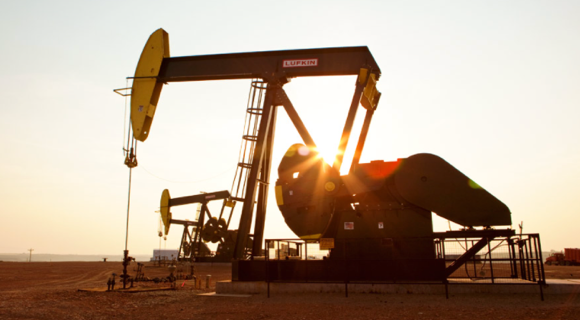
With oil prices high, operators have a strong incentive to maximize the value of the wells they already own.
I recently ran a LinkedIn survey asking:
“With oil prices high, which strategy best reduces downtime, slows declines and delivers low-cost production from existing wells?”
63% of respondents selected Artificial Lift Optimization.
That result lines up remarkably well with what operators are saying. Across recent earnings calls, companies including Devon, Diamondback, Chevron, Permian Resources, Crescent Energy, Ovintiv and Chord Energy are discussing artificial lift as much more than routine well maintenance.
Artificial lift is increasingly becoming part of a broader “Maintenance Plus” strategy: using automation, AI, workovers, chemicals, reliability improvements and operating changes to sweat the assets and generate more production and cash flow from the existing well base.
Artificial Lift Is Moving Beyond Maintenance
Artificial lift has always been fundamental to producing mature oil wells. What appears to be changing is how operators think about it.
The traditional maintenance model is largely reactive:
Pump fails → well goes down → repair equipment → restore production.
The emerging model is much more proactive:
Monitor → predict → optimize → intervene → minimize downtime → improve production.
AI, automation and centralized operating centers are accelerating this shift. Operators aren’t simply asking whether a pump is running. They’re increasingly optimizing operating parameters, identifying potential failures earlier and determining how to maximize production without unnecessarily increasing equipment wear.
That is what makes this Maintenance Plus rather than simply maintenance.
Devon: Taking Artificial Lift Toward Autonomy
Devon provides one of the clearest examples of how far this trend could go.
The company reported having more than 850 wells operating on fully autonomous artificial-lift optimization, with management describing a “very impressive productivity improvement.” Devon planned to expand the program to approximately 1,500 wells.
Gas lift provides a good example of what optimization can deliver. Devon is combining AI models with physics-based calculations to optimize gas-lift injection rates, generating approximately a 2%–3% production uplift.
The program extends beyond gas lift to include ESPs and rod pumps.
The important takeaway isn’t simply the 2%–3% uplift. It is the potential to apply small improvements across hundreds or thousands of producing wells.
At that scale, small gains aren’t small anymore.
Diamondback: Becoming a “Pump by Exception” Company
Diamondback is also starting its AI and automation deployment with artificial lift.
EVP of Operations Chad McAllaster explained:
“We’re tackling it first on artificial lift and using the AI and the automation to help manage that optimization on a day-to-day process…”
Diamondback connects artificial-lift optimization directly to the economics of maintaining its production base.
The objective is straightforward: lower downtime, flatten declines and reduce the spending required to sustain production.
Management noted that even a 1% improvement in decline rate can make a meaningful difference.
Diamondback described its broader operating direction as becoming a “pump by exception company.”
That phrase captures where the industry may be heading. Instead of people continuously watching every producing well, technology monitors the well and allows field personnel to concentrate on the assets that actually require intervention.
Chevron: “Sweating the Assets”
Chevron uses another phrase that captures the trend particularly well: “sweating the assets.”
With Permian production running above 1 million BOE/d, Chevron’s focus isn’t simply increasing volumes. It is increasingly about generating more free cash flow from an enormous installed asset base.
Chevron identified several initiatives contributing to improved Permian reliability, including:
“optimizing artificial lift, real-time facility optimization, [and] a new approach to ops and maintenance through an asset tiering lens.”
This puts artificial lift into a larger operating strategy.
Artificial lift optimization, facility optimization, maintenance and reliability are becoming interconnected rather than isolated functions.
The objective is to make the entire producing asset perform better.
Ovintiv: More Production Without More Capital
Perhaps the strongest illustration of the economics comes from Ovintiv.
Ovintiv said its Permian base production was outperforming plan by approximately 3%, with a significant portion of that improvement coming from its operations control center.
The company is using AI and automation to optimize artificial-lift parameters, reduce downtime and flatten well declines.
Ovintiv has improved ESP run times, brought much of its rod-pump monitoring and optimization in-house and developed AI and automation tools designed to minimize failures and optimize production.
When failures do occur, automation helps bring wells back online faster.
The result is fewer zero-production days and a stronger production base.
Most importantly, Ovintiv increased its Permian run-rate expectation to approximately 125,000 barrels per day without adding activity or capital.
That is the Maintenance Plus proposition in a nutshell:
Get more out of the producing asset base before spending more money drilling.
Chord: Moving Toward Continuous Optimization
Chord Energy is another operator explicitly combining artificial-lift optimization with AI.
Chord’s program goes well beyond monitoring pumps. It includes workovers, accelerating the return of down wells, chemical treatments, debottlenecking surface constraints, improving ESP performance and optimizing rod pumps.
AI-driven optimization is already widely deployed across Chord’s rod-pump fleet.
The company is using AI to optimize pump loading with two objectives that sometimes compete with each other:
Improve production while reducing pump wear.
Chord also described the next stage of development: moving away from periodic human adjustments toward continuous or near-instantaneous optimization.
Instead of optimizing a well once a day or once a week, computers can potentially adjust operating parameters continuously as conditions change.
Chord is also focused heavily on ESP run time and performance, with a dedicated team working on the opportunity.
In some cases, optimization isn’t purely digital. Chord has also lowered pumps in wells to improve productivity.
That combination of digital optimization and physical intervention is another good example of Maintenance Plus.
Crescent: Artificial Lift + Workovers + Surveillance
Crescent Energy provides another example of artificial lift becoming integrated with broader base-production management.
In the Eagle Ford, Crescent highlighted “optimized workover and artificial lift programs” supporting its base production.
In the Permian, the company is combining artificial-lift and facilities optimization, equipment rationalization and proactive field surveillance as it works toward a structurally lower operating-cost base.
Crescent is applying similar strategies in the Uinta, where workover and artificial-lift optimization are improving base production.
Again, artificial lift isn’t being treated as a standalone technology.
It is part of an operating system for managing mature producing assets.
Permian Resources: Reliability Matters Too
Permian Resources highlights another side of artificial-lift optimization: keeping the equipment running in the first place.
The company has deployed microgrids in parts of New Mexico that previously relied on individual generators. Management specifically noted that improved power quality produces better equipment run times because frequent power cycling is damaging to ESPs.
Permian Resources has also experimented with surfactant treatments around late-life ESP failures. Some wells generated more than 100 barrels per day of incremental production, with the overall program producing sub-one-year payouts.
This demonstrates that optimization doesn’t always require sophisticated AI.
Power reliability, chemicals, compression, workovers and operating practices can all contribute to artificial-lift performance.
BP: Optimize the Existing Asset Base
BP did not provide the same level of artificial-lift detail, but its broader message fits the trend.
Management discussed extracting maximum value from the existing asset base, specifically identifying reliability and well optimization as opportunities to increase value.
That may ultimately be the bigger industry story.
Operators are increasingly asking:
How much more production, reliability and free cash flow can we generate from assets we already own?
Why Artificial Lift Is Becoming So Important
A shale operator with thousands of producing wells doesn’t necessarily need a spectacular improvement from every well.
Imagine improving production by a few percentage points across hundreds of wells.
Reduce ESP failures.
Bring failed wells online faster.
Optimize rod-pump loading.
Improve gas-lift injection.
Reduce zero-production days.
Flatten declines slightly.
Prioritize workovers more intelligently.
Extend equipment life.
Each improvement may appear incremental individually. Across a large producing-well population, however, the economics can become significant.
And unlike a new drilling program, much of the infrastructure and producing asset already exists.
From Drilling Growth to “Sweating the Assets”
This is why I believe artificial lift belongs within the broader Maintenance Plus discussion.
Maintenance keeps the asset operating.
Maintenance Plus attempts to make the asset perform better.
It combines traditional field activities such as workovers, pump changes and chemical treatments with automation, AI, centralized surveillance, reliability improvements and production optimization.
The comments from operators point toward a common objective:
Reduce downtime. Flatten base declines. Improve reliability. Generate incremental production. Control operating costs. Reduce the capital required to sustain production.
Chevron calls it “sweating the assets.”
Diamondback talks about becoming a “pump by exception company.”
Devon is moving toward autonomous artificial-lift optimization.
Ovintiv is using AI and automation to strengthen base production without adding activity or capital.
Chord is moving toward continuous optimization.
Different terminology, but increasingly the same strategy.
Artificial Lift May Be the Center of Maintenance Plus
The 63% response to my LinkedIn survey makes sense in this context.
Artificial lift sits at the intersection of several of the industry’s biggest priorities: production, downtime, decline rates, reliability, operating costs and capital efficiency.
And the opportunity isn’t limited to artificial-lift equipment manufacturers.
It potentially extends across automation, controls, sensors, AI, production chemicals, power systems, workovers, well servicing, compression, remote monitoring and production engineering.
As operators put greater emphasis on extracting value from their existing producing assets, the question may increasingly shift from:
“How many new wells can we drill?”
to:
“How much more can we get from the wells we already have?”
Artificial Lift Optimization appears to be becoming one of the industry’s most important answers.


Author: phinds