
The Texas oil & gas landscape is undergoing a quiet but meaningful transformation—one that isn’t driven by blockbuster mergers or massive drilling programs, but by something far more strategic:
The sell-down of non-core assets from mid-size operators to smaller, specialized companies.
A recent example in the Barnett Shale (North Texas) highlights this trend clearly. BRG Lone Star Ltd., a legacy operator with a broad portfolio of mature wells, has transferred 29 permitted sites to Riverbirch Resources LLC, a smaller, emerging operator focused on asset consolidation.
This type of transaction is becoming increasingly common—and increasingly important.
🔄 What Is a Non-Core Asset Sell-Down?
In simple terms, a non-core asset sell-down occurs when an operator divests wells or facilities that no longer fit its strategic priorities.
For companies like BRG Lone Star:
- Assets may be mature, low-growth, or geographically fragmented
- Operational focus may shift to higher-return regions or fewer core areas
- Capital is redeployed toward more efficient or scalable opportunities
For buyers like Riverbirch:
- These same assets represent low-cost entry points
- Opportunities to optimize production
- A chance to build a regional footprint quickly
📍 Why the Barnett Basin Matters
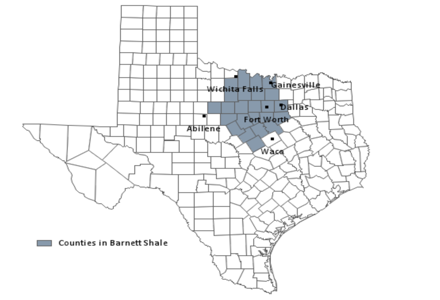
The Barnett Shale, centered around the DFW Metroplex (Tarrant, Johnson, Wise, Parker counties), is one of the earliest U.S. shale plays.
While it no longer attracts the same drilling activity as the Permian, it remains:
- A massive base of legacy gas wells
- Rich in existing infrastructure
- Ideal for low-decline, cash-flow-focused operations
👉 In short:
The Barnett is no longer a growth basin—it’s a management and optimization basin
And that’s exactly why these transactions are happening.
🧠 Why Operators Are Selling
For mid-size operators like BRG Lone Star, the logic is straightforward:
1. Portfolio Simplification
Managing hundreds of scattered legacy wells is operationally complex. Selling non-core assets allows companies to:
- Reduce overhead
- Focus on core acreage
- Improve capital efficiency
2. Capital Reallocation
Even in a stable price environment, capital is finite. Operators are prioritizing:
- Higher-margin plays (Permian, Haynesville)
- Projects with scale and repeatability
Legacy Barnett wells often don’t compete for capital internally.
3. Late-Life Asset Economics
Mature wells require:
- Maintenance
- Workovers
- Optimization
For larger operators, these activities may not move the needle—but for smaller companies, they can be highly profitable.
🚀 Why Smaller Operators Are Buying
Companies like Riverbirch Resources are stepping in with a different mindset.
1. Focused Operating Model
Smaller operators specialize in:
- Cost control
- Field-level optimization
- Lean operations
What’s “non-core” to one operator becomes core business to another.
2. Immediate Cash Flow
Unlike new drilling programs, these assets:
- Already produce
- Have existing infrastructure
- Generate revenue from day one
3. Consolidation Strategy
By acquiring multiple packages like this:
- Operators can build regional scale
- Improve operational efficiency
- Create future exit opportunities
📊 Why This Matters to the Texas Oil & Gas Industry
This trend has broader implications beyond a single transaction.
🔹 1. Extending the Life of Legacy Basins
Without these transfers:
- Many wells would be shut in or abandoned
With smaller operators:
- Production continues
- Assets are optimized
- Decline curves are managed more effectively
👉 Result:
More total recovery from existing resources
🔹 2. Creating a Secondary Market for Assets
The industry is evolving into a two-tier ecosystem:
Tier Role Large / Mid Operators Drill, scale, optimize core plays Small Operators Acquire and manage mature assets
This creates:
- Liquidity in the asset market
- More efficient allocation of capital
- Continuous reinvestment in aging basins
🔹 3. Driving Service Demand in Mature Fields
These newly acquired assets enter an optimization phase, increasing demand for:
- Chemical treatments
- Artificial lift solutions
- Compression and gas handling
- Workovers and recompletions
👉 For service companies, this is critical:
Activity shifts from drilling to production optimization
🔹 4. Supporting Local Economies
In regions like North Texas:
- Continued operations mean jobs and service activity
- Infrastructure remains utilized
- Counties retain tax revenue from production
🔍 The Bigger Picture
The Texas oil & gas industry is not just about drilling new wells—it’s about maximizing the value of existing ones.
Non-core asset sell-downs are a key part of that evolution:
- Large operators sharpen their focus
- Smaller operators find opportunity in complexity
- Legacy basins like the Barnett get a second life
🎯 Final Takeaway
The transfer of Barnett assets from BRG Lone Star to Riverbirch Resources isn’t just a transaction—it’s a signal.
Non-core asset sell-downs in the Barnett Basin—like BRG Lone Star transferring assets to Riverbirch Resources—highlight a growing shift where larger operators divest mature wells to smaller, more focused companies. This trend is critical to the Texas oil & gas industry because it extends the life of legacy assets, drives production optimization activity, and creates new opportunities for service providers.
A signal that:
- The industry is becoming more specialized
- Mature assets still hold significant value
- And smaller operators are playing an increasingly important role in Texas oil & gas

Author: phinds