
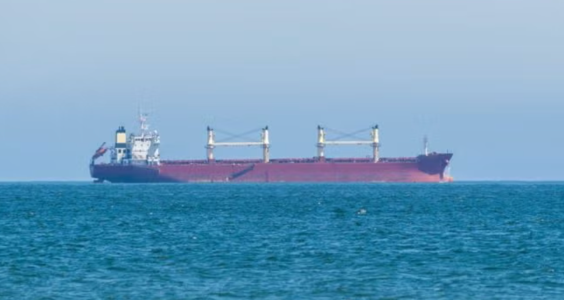
Global oil supplies are under increasing pressure following renewed attacks on Middle Eastern energy infrastructure. A key Saudi Arabian crude pipeline designed to bypass the Strait of Hormuz was reportedly shut down, temporarily removing an estimated 2.5 million barrels per day from an already constrained market.

Chevron CEO Mike Wirth warned that the inventories and strategic reserves previously used to absorb supply disruptions have largely been depleted. Commercial fuel stocks have reportedly declined for more than six months, leaving refiners and consumers increasingly exposed to further interruptions. China has added to near-term demand by increasing international crude purchases after relying heavily on domestic inventories.
The tightening market has pushed West Texas Intermediate (WTI) crude above $101 per barrel and Brent crude to approximately $106. U.S. retail diesel reached a reported $6.23 per gallon, while gasoline increased to $4.32. Although diplomatic developments involving Russia and Ukraine briefly eased prices, continued attacks on ships and energy assets have kept supply concerns elevated.
For operators, contractors, and suppliers, the central issue is whether the disruption becomes prolonged. Higher prices strengthen upstream cash flow, but volatile fuel and transportation costs can raise expenses across drilling, completions, construction, trucking, and field-service operations.
Industry Impact
The crisis reinforces the strategic importance of the United States as a source of “safe barrels”—production located outside the regions most exposed to conflict, shipping interruptions, and geopolitical leverage. U.S. shale can respond faster than many conventional developments, although capital discipline, labor availability, equipment capacity, pipeline constraints, and regulatory requirements will determine the pace of growth. Stable North American production also becomes more valuable to refiners, exporters, and allied countries seeking dependable supply.
Sales Strategy
Oilfield service companies should focus on operators with active acreage, available drilling inventory, strong balance sheets, and the ability to increase production quickly. Sales outreach should emphasize measurable operating value: shorter cycle times, equipment availability, production optimization, fuel efficiency, logistics reliability, and reduced downtime. Suppliers should also monitor operator capital-budget revisions, rig additions, well-permit activity, completion schedules, pipeline capacity, and requests for pricing tied to accelerated field programs.

Author: phinds