
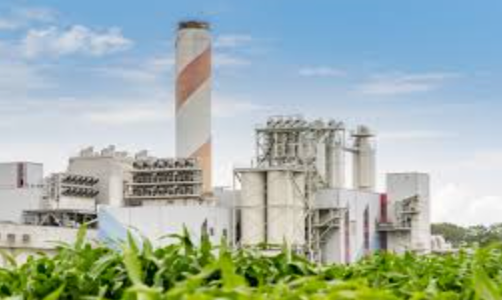
ExxonMobil has received approval from the Railroad Commission of Texas to advance the Rose carbon capture and storage (CCS) project in Jefferson County. Commissioners voted 2–1 to authorize underground carbon dioxide injection following an extended regulatory review and public hearing process.
The permit covers three injection wells approximately 90 miles east of Houston. Together, the wells are authorized to store about 53 million metric tons of carbon dioxide captured from ExxonMobil’s industrial customers. The project supports the company’s broader plan to develop a carbon transportation and storage network across the U.S. Gulf Coast, with anticipated investment exceeding $5 billion.
The approval removes an important regulatory obstacle for the proposed network, which could connect refineries, chemical plants, hydrogen facilities and other large industrial emitters with permanent underground storage sites. The development may generate demand for carbon dioxide pipelines, compression equipment, injection-well services, engineering, construction, monitoring systems and specialized materials.
The project’s commercial outlook will depend on customer agreements, infrastructure execution and federal policy support. Recent moves by the Trump administration to reduce power-plant greenhouse-gas requirements may limit CCS demand from electricity producers, although Gulf Coast refiners and industrial facilities remain central to ExxonMobil’s carbon-management strategy. The company has not provided a definitive construction or startup schedule for the full network.
Industry Impact
The approval strengthens the Gulf Coast’s position as a major North American hub for carbon transportation and storage. The United States’ reputation as a “safe barrel”—supported by established infrastructure, private mineral ownership, access to capital and comparatively secure supply—also helps attract investment in adjacent projects that lower the carbon intensity of domestic energy and industrial production. However, the lengthy permitting process and divided regulatory vote demonstrate that CCS developments still face community, political and execution risks.
Sales Strategy
Oilfield service companies should identify the engineering firms, pipeline contractors and equipment suppliers likely to participate in the Rose project and ExxonMobil’s wider Gulf Coast CCS network. Sales teams should target opportunities involving injection-well construction, cementing, tubulars, compression, pipeline integrity, corrosion control, measurement, leak detection, environmental monitoring and long-term well surveillance. Outreach should emphasize proven experience with high-pressure carbon dioxide, sour-service environments, regulatory compliance and Gulf Coast project execution.

Author: phinds