
Cheniere Energy has received approval from the U.S. Federal Energy Regulatory Commission (FERC) to begin introducing natural gas into Train 7 at its Corpus Christi Liquefied Natural Gas (LNG) export facility in San Patricio County, Texas. The authorization represents a key commissioning milestone and moves the company closer to bringing the final train of its Stage 3 expansion into commercial service.

Corpus Christi Stage 3 is adding seven midscale liquefaction trains that together will contribute more than 10 million tonnes per annum (mtpa) of additional LNG production capacity. Cheniere has already completed Trains 1 through 4 during 2025, with Trains 5 and 6 reaching substantial completion in March and June 2026. The company expects the final Train 7 to be completed before the end of 2026, increasing the facility’s permitted LNG production capacity to more than 25 mtpa.
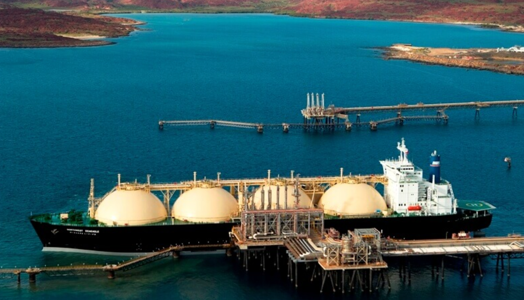
The Corpus Christi Liquefaction (CCL) terminal is strategically located along the La Quinta Ship Channel with direct access to multiple interstate natural gas pipeline systems and the Gulf Coast export market. The facility includes large LNG storage tanks, deepwater berths capable of handling Q-Max LNG carriers, and infrastructure designed to support long-term growth in U.S. LNG exports.
Looking ahead, Cheniere is continuing to expand the site beyond Stage 3. The company previously approved a final investment decision (FID) for Midscale Trains 8 and 9 along with a debottlenecking project that will add more than 3 mtpa of additional LNG production capacity, reinforcing Corpus Christi’s position as one of North America’s largest LNG export terminals.
Industry Impact
The commissioning of Train 7 further strengthens Gulf Coast LNG export capacity and creates continued opportunities for pipeline operators, natural gas producers, engineering firms, equipment suppliers, and industrial service companies supporting LNG infrastructure. As additional trains enter service, demand for feed gas transportation, maintenance services, and terminal support is expected to remain strong.


Author: phinds