
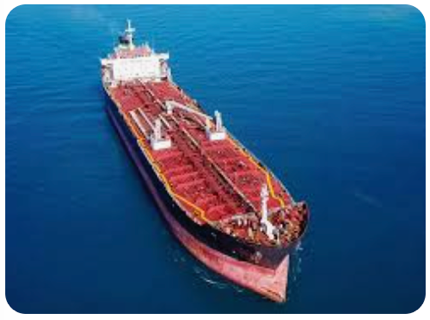
The ongoing Iran conflict is raising serious concerns across global energy markets, with the International Energy Agency warning of what could become the largest supply disruption in history.
At the center of the risk is the Strait of Hormuz, a critical chokepoint through which roughly 20% of the world’s oil flows. Any sustained disruption—or worse, a blockade—would have immediate and far-reaching consequences for global supply chains.
While the IEA’s base case assumes oil flows resume by midyear, alternative scenarios are far more severe. Oxford Economics models a prolonged disruption where oil prices remain above $150 per barrel for several months. In that environment, global inflation could surge to nearly 8%, pushing the world economy into contraction.
Unlike the 2022 energy shock, today’s global economy is more fragile. Higher interest rates, elevated debt levels, and tighter financial conditions leave less room to absorb sustained price increases. If supply disruptions extend beyond Hormuz and impact regional infrastructure—such as Saudi export pipelines or LNG facilities—the situation could escalate from a pricing shock to a physical supply shortage.
The implications would ripple across key sectors. Transportation, agriculture, and manufacturing would face rising costs and potential fuel shortages, while financial markets could slide into a bear market as consumer spending weakens.
There are also emerging secondary risks. Prolonged energy disruption could slow investment in energy-intensive sectors like artificial intelligence, particularly if supply chains tighten and capital becomes more expensive.
For now, markets remain in a wait-and-see mode. But as economists note, the pathways to a more severe global downturn are already in place.

Author: phinds