
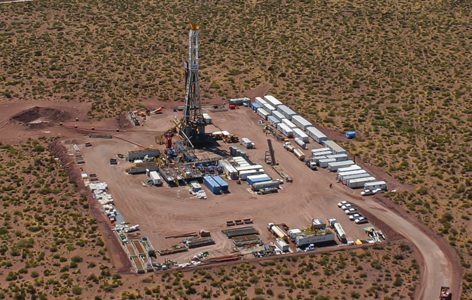
Shale’s factory model is often associated with larger pads, longer laterals and faster completions. HighPeak Energy’s approach highlights another part of industrialization: maintaining a consistent operating rhythm, connecting new wells to infrastructure already built, and improving the performance of existing production.
In its third-quarter 2026 earnings call, HighPeak described a business focused on maintaining a stable production platform while improving capital efficiency. Management’s comments support a broader interpretation of shale industrialization—one in which success depends on how effectively the entire operating system works together.

Steady Drilling Preserves the Operating Rhythm
HighPeak’s clearest statement about its drilling approach came from President and CEO Michael Hollis:
“Rather than dropping a rig and picking it back up, we plan to keep activity steady.”
The context matters. Management said drilling efficiencies were creating opportunities to accomplish more with the existing operation. Rather than interrupting activity as execution improved, HighPeak planned to reinvest those gains into additional opportunities that met its return requirements.
That approach supports the factory model. A sustained program gives an operator the opportunity to retain experienced teams, apply lessons across successive wells and coordinate drilling, completions and production schedules. Those are implications of the operating approach; the call did not quantify each benefit separately.
HighPeak also said continued activity would leave it entering 2027 with a larger inventory of wells in progress. That provides scheduling flexibility, although it should not be interpreted as formal guidance for higher production next year.
The emphasis is on maintaining a productive operating rhythm while allowing capital allocation to respond to economics.
Infrastructure Becomes a Platform for Repeat Development
A drilling program becomes more repeatable when each new well can connect to an established production system.
HighPeak said the wells it currently operates—and those it plans to drill in the foreseeable future—would connect to existing central tank batteries. Management expects that reuse to reduce facility spending per foot as development continues.
The company described infrastructure spending declining from more than $100 million annually in earlier years to approximately $20 million in 2026. Management indicated spending could fall to roughly $15 million in 2027 and subsequently to $10 million or less annually, subject to additional needs and opportunities.
These figures describe a transition from building the platform to using it.
Earlier investment established capacity that future wells can share. As more development connects to those facilities, the operator can spread the benefit of that investment across a larger production base without rebuilding the same infrastructure for every project.
For the shale industrialization thesis, this is a significant distinction: the factory includes gathering, tank batteries, power and water handling, as well as rigs and completion equipment.
Water Handling Supports the Production System
HighPeak’s water infrastructure provides another example of designing the operating system around future development.
Management said the company owns its disposal wells and connecting pipelines, can move water throughout the field, and was using approximately half or less of its disposal capacity. That spare capacity provides operational flexibility and redundancy.
The company reported an all-in disposal cost below $0.20 per barrel of produced water. Hollis attributed part of that cost structure to large horizontal Ellenburger disposal wells and low injection pressures, which reduce the horsepower required for disposal.
The broader lesson is that production economics depend on the systems surrounding the well. Water handling can affect operating costs, uptime and the ability to connect additional production.
HighPeak’s approach illustrates how infrastructure investment can remove constraints before they interrupt the development program.
Steady Production Requires More Than New Wells
HighPeak described itself as operating in maintenance mode, with production remaining relatively flat over the preceding three or four quarters.
That does not mean activity stops. Shale decline requires ongoing investment to sustain the production base. HighPeak’s approach combines new drilling with workovers and improvements to existing operations.
Management highlighted workovers as an important contributor to its increased 2026 production outlook. These projects could restore or add production within days, with some offering payouts of one to two months under the conditions described on the call.
Hollis also distinguished the decline characteristics of workover production from those of newly completed wells. He described new wells as having initial declines closer to 70%, compared with an approximately 38% corporate decline rate. Incremental production restored from older wells was described as carrying a profile closer to the latter.
The implication is that maintaining production involves managing the whole asset base. New wells replace declining volumes, while workovers and operating improvements help recover more value from infrastructure and wells already in place.
What HighPeak Adds to the Industrialization Thesis
HighPeak’s call provides evidence of an industrialized operating approach through three connected elements:
- Continuity: Maintain drilling activity and use efficiency gains to pursue additional economic opportunities.
- Infrastructure reuse: Connect future development to facilities and water systems already established.
- Production sustainability: Combine new wells with workovers and field improvements to support the production base.
The transcript did not detail multiwell pads, cube development, U-turn wells or simultaneous stimulation. Its contribution to the factory thesis is the operating philosophy: build the system, maintain a repeatable cadence and improve the value generated by that system.
What This Means for Oilfield Services
For oilfield service companies, a steady-state operator can represent a different opportunity from an operator rapidly expanding its rig count.
The sales signal becomes the continuity and needs of the operating program. Stable production still requires drilling, completions, maintenance and production support, even when headline growth is modest.
HighPeak operating priority Potential OFS opportunity Maintain a steady drilling program Reliable rig support, directional services, drilling tools and maintenance that help sustain execution Connect wells to existing facilities Tie-ins, electrical work, instrumentation, commissioning and targeted facility modifications Use established water infrastructure Pump maintenance, pipeline integrity, disposal-well services and injection monitoring Improve existing-well performance Workovers, diagnostics, artificial lift services, chemicals and well intervention Sustain production while controlling spending Services that demonstrate lower downtime, faster restoration or better cost per barrel
These are market implications of the strategy, rather than procurement plans announced by HighPeak.
As major infrastructure construction declines, the service opportunity may shift toward maintaining, connecting and improving the installed base. Vendors should therefore look beyond new facility announcements and rig additions to understand where an operator is spending.
For OGL’s market research, steady drilling combined with an extensive producing-well and infrastructure base is a useful prospecting signal. It identifies accounts where recurring execution, maintenance and optimization may support ongoing service demand.
The strongest OFS proposition is a measurable contribution to the operator’s production system: keep the program moving, connect wells efficiently, restore production quickly and reduce interruptions. HighPeak’s approach suggests that shale’s factory model creates opportunities throughout the life of the asset.
HighPeak’s steady-state approach combines consistent drilling, reuse of existing infrastructure and targeted workovers to sustain production while improving capital efficiency. For OFS companies, this creates recurring opportunities in drilling support, well tie-ins, maintenance, water handling and production optimization, even without significant rig-count growth.
Source: HighPeak Energy Q3 2026 earnings-call transcript, November 10, 2026, supplied for this analysis. Financial and operating figures reflect management’s statements; future spending figures are expectations.

Author: phinds