
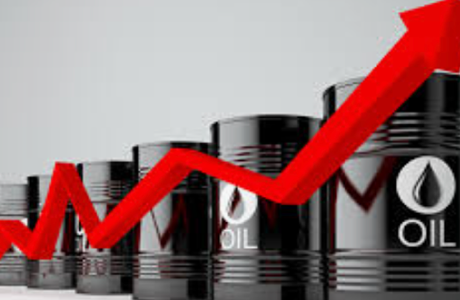
Iran said October 4 that it will not reopen the Strait of Hormuz until Washington satisfies seven conditions contained in a June memorandum of understanding. Parliamentary speaker and chief negotiator Mohammad Baqer Qalibaf reaffirmed the requirements as Qatar continued mediating between the two governments. Tehran has proposed restoring normal maritime traffic within seven days if the conditions are fulfilled, but no reopening date has been confirmed.

Before the conflict began in February, approximately one-fifth of the world’s oil and liquefied natural gas (LNG) moved through Hormuz. Disruption at this critical export corridor exposes producers, refiners and buyers to transportation delays, higher shipping costs and uncertainty over supply availability. The article does not enumerate all seven conditions.
The negotiations remain complicated by disagreements over the sequence of commitments involving maritime security and Iran’s nuclear program. Iranian officials said securing the strait is their immediate priority and rejected reports of an offer to exchange nuclear inspections for sanctions relief. An earlier June agreement delivered a temporary ceasefire but failed to establish a lasting settlement.
For energy businesses, the immediate planning issue is the reliability of shipments. Buyers and suppliers should monitor confirmed vessel movements, freight costs and diplomatic developments when assessing delivery schedules and procurement exposure. Iran’s warnings about its response to renewed military action add uncertainty to the proposed reopening process.
Industry Impact
The standoff reinforces the value of the United States as a “Safe Barrel” supplier: domestically produced crude can reach customers without transiting Hormuz. For North American operators and oilfield services (OFS) companies, reliable production and export access strengthen their strategic relevance. However, disruption alone does not establish that operators will increase drilling budgets; sales planning should follow confirmed activity and spending commitments.
Two-Sentence Summary
Iran says normal shipping through the Strait of Hormuz will remain restricted until the U.S. meets seven conditions, with a proposed seven-day reopening process dependent on agreement. The dispute reinforces the strategic value of U.S. “Safe Barrel” supply and gives OFS companies a reason to focus on customers with confirmed production and development plans.

Author: phinds