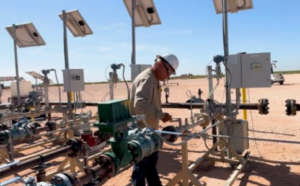
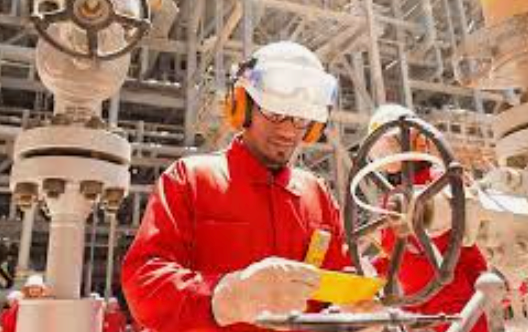
A Production Engineer in the oil and gas industry plays a critical role in managing and optimizing the production of hydrocarbons from oil and gas reservoirs. Their primary goal is to maximize production rates while ensuring safety, efficiency, and cost-effectiveness.
Production Engineer Contact List
This list can be effectively navigated by combining role, company, city, and status filters to identify targeted sales opportunities across engineering, operations, and management teams. The strongest market research insights come from focusing on high-activity operators, regional hubs like Houston and Midland, and “New” or “Updated” contacts that may signal operational growth or changing vendor needs.
Contact Role Production Report Summary – Q2 2026 (May)
Total Record Count
- 5,513 records
Record Count by Role
| Role | Count |
|---|---|
| Engineer | 1,623 |
| Foreman | 774 |
| Operator | 771 |
| Other | 767 |
| Manager | 423 |
| Analyst | 347 |
| Supervisor | 320 |
| Lead | 264 |
| Superintendent | 224 |
Top 10 Companies / Accounts by Record Count
| Company / Account | Count |
|---|---|
| OXY USA Inc. | 380 |
| Chevron U.S.A. Inc. | 303 |
| BPX | 281 |
| Devon Energy Corporation | 249 |
| Shell USA | 236 |
| ExxonMobil Corporation | 202 |
| ConocoPhillips Company | 146 |
| Conocophillips Company | 144 |
| Continental Resources | 137 |
| Apache Corporation | 127 |
Top 10 Cities by Record Count
| City | Count |
|---|---|
| Houston | 1,121 |
| Midland | 613 |
| Oklahoma City | 368 |
| United States | 172 |
| Greater Houston | 169 |
| Midland-Odessa Area | 148 |
| Denver | 127 |
| Spring | 96 |
| Unknown | 73 |
| Denver Metropolitan Area | 69 |
Status by Count
| Status | Count |
|---|---|
| Unchanged | 3,895 |
| Update | 1,448 |
| New | 170 |
Role of Production
Production teams within a U.S. oil & gas operator are responsible for maximizing the safe, reliable, and cost-effective output of oil, natural gas, and natural gas liquids from producing assets. Their role begins after drilling and completions activities are finished and focuses on maintaining and optimizing well performance throughout the life of the asset.
Production personnel oversee daily field operations, monitor production volumes, manage artificial lift systems, troubleshoot equipment issues, and coordinate maintenance activities across wells, facilities, pipelines, and gathering systems. They work closely with operations, engineering, HSE, and midstream teams to minimize downtime, reduce operating costs, and improve recovery rates.
Typical production-related roles within an operator include:
- Production Engineers
- Production Foremen
- Lease Operators
- Production Supervisors
- Field Superintendents
- Operations Managers
- Artificial Lift Specialists
- Production Analysts
In U.S. shale basins such as the Permian, Eagle Ford, Bakken, and Haynesville, production teams also play a major role in:
- Managing high-volume horizontal well production
- Monitoring decline curves and production optimization
- Coordinating workovers and recompletions
- Managing water handling and disposal
- Reducing emissions and flaring
- Integrating automation, SCADA, and digital monitoring systems
Because production groups directly influence revenue generation and operating efficiency, they are key decision-makers and important targets for oilfield service companies offering artificial lift, chemicals, automation, compression, flow assurance, maintenance, water management, production optimization, and emissions-reduction solutions.
Production Engineer Overview
Here’s an overview of their responsibilities and skills and roles:
Skills: Petroleum Engineering, Upstream, Completions, Natural Gas, Drilling, Hydraulic Fracturing, Field Development, Oil & Gas Industry, Failure Analysis, Completion, Cement, Oilfield, Reservoir Management, Multi-stage Completions, Remedial Workovers, Artificial Lift Design, Stacked Lateral Pad Design, Subsurface Well Planning, Petroleum, Oil & Gas
Roles:
- Reservoir Analysis and Optimization:
- Analyzing reservoir characteristics to optimize production techniques.
- Determining reservoir behavior, pressure, and fluid properties to optimize production strategies.
- Well Design and Optimization:
- Designing well systems and determining the best location and configuration for wellbores.
- Optimizing drilling and completion strategies to maximize well productivity and longevity.
- Production Monitoring and Analysis:
- Monitoring well performance and production rates to identify deviations and potential issues.
- Analyzing production data to improve operations and implement strategies for enhanced production efficiency.
- Production Maintenance and Troubleshooting:
- Troubleshooting production issues, such as equipment failures or flow problems.
- Implementing maintenance plans to ensure equipment reliability and minimize downtime.
- Reservoir Pressure Management:
- Managing reservoir pressure through techniques like water or gas injection to enhance production rates and recovery.
- Health, Safety, and Environmental Compliance:
- Ensuring compliance with safety regulations and environmental standards.
- Implementing safety measures to prevent accidents and incidents during production operations.
- Cost Management:
- Managing operational costs by optimizing production processes and minimizing waste.
- Identifying cost-effective solutions for production enhancement.
- Data Analysis and Technology Utilization:
- Utilizing data analytics and advanced technologies to improve production efficiency and optimize operations.
- Implementing automation and digitization to enhance monitoring and control systems.
- Collaboration and Communication:
- Collaborating with multidisciplinary teams, including geologists, geophysicists, reservoir engineers, and other stakeholders, to achieve production goals.
- Communicating production plans and strategies to relevant teams and management.
- Continuous Improvement and Research:
- Staying updated with industry trends, new technologies, and best practices.
- Conducting research and participating in training to improve skills and knowledge in production engineering.
Production Engineers need to balance technical expertise, operational efficiency, and safety measures to ensure the optimal and sustainable production of oil and gas resources. Their role is crucial in achieving the organization’s production targets and contributing to the success of the oil and gas industry.
Additional Oil & Gas Personas