
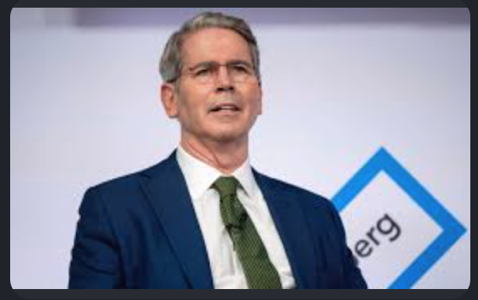
U.S. Treasury Secretary Scott Bessent made a notable statement this week regarding the escalating tensions surrounding the Strait of Hormuz, suggesting that China will likely work “behind the scenes” to help ensure the vital shipping lane remains open.
Speaking to CNBC, Bessent emphasized that China has more at stake economically than the United States when it comes to maintaining uninterrupted oil flows through the Strait.
“China has a much bigger interest in reopening the strait than the U.S. does,” Bessent stated.
The comments come during a period of heightened geopolitical tension in the Middle East and growing concern over the potential disruption of global crude oil shipments.
Why the Strait of Hormuz Matters
The Strait of Hormuz is one of the most strategically important energy corridors in the world. Roughly 20% of global oil supply moves through the narrow waterway connecting the Persian Gulf to international markets.
Major producers relying on the strait include:
- Saudi Arabia
- Iraq
- Kuwait
- United Arab Emirates
- Iran
- Qatar (LNG exports)
Any prolonged disruption could immediately impact:
- Global crude oil prices
- LNG markets
- Refinery operations
- Shipping costs
- Petrochemical supply chains
For oil markets, the Strait of Hormuz is effectively the heartbeat of global energy transportation.
Why China Has Enormous Exposure
Bessent’s remarks underline a growing reality in global energy markets: China is now one of the largest stakeholders in Middle Eastern energy stability.
China imports more than half of its crude oil from the Middle East and remains one of the primary buyers of Iranian crude exports.
According to Bessent:
- China accounts for nearly all of Iran’s oil exports
- Chinese refiners depend heavily on Gulf crude supply
- A closure of Hormuz would significantly increase China’s energy costs
This creates a unique geopolitical situation where Beijing may quietly pressure Tehran to avoid actions that threaten shipping flows.
Unlike previous energy crises where the U.S. led stabilization efforts, China now has direct economic incentives to prevent escalation.
A Rare Moment of U.S.-China Alignment
One of the more interesting developments is the apparent alignment between Washington and Beijing on maintaining open energy trade routes.
According to a White House official, President Donald Trump and President Xi Jinping agreed during meetings in Beijing that the Strait of Hormuz must remain open to support global energy markets.
The statement also noted that:
- China opposes the militarization of the Strait
- Beijing opposes efforts to impose tolls or restrictions on shipping traffic
- Both nations recognize the importance of stable energy flows
This cooperation is notable given the broader trade and geopolitical competition between the two countries.
What This Means for Oil Prices
Energy markets are now balancing two competing forces:
- Geopolitical risk in the Middle East
- Expectations that major powers will push for de-escalation
So far, oil prices have remained volatile but relatively controlled compared to previous Strait of Hormuz crises.
Markets appear to believe:
- Iran may avoid a prolonged closure
- China may influence Tehran behind the scenes
- The U.S. Navy will continue protecting key shipping lanes
- Gulf producers will work to maintain exports
However, any sustained disruption could quickly change sentiment.
Potential Winners if Tensions Escalate
If shipping disruptions intensify, higher crude prices could benefit:
- U.S. shale producers
- Offshore operators
- LNG exporters
- Oilfield service companies
- Midstream infrastructure firms
Companies with strong North American production exposure could see increased cash flow and investor interest if global supply tightens.
The Permian Basin, in particular, would likely become even more important as global buyers seek secure non-Middle East supply sources.
The Bigger Picture
Bessent’s comments may ultimately reflect a larger shift in global energy geopolitics.
For decades, the United States was viewed as the primary guarantor of global oil trade security. Today, China’s massive dependence on imported energy means Beijing increasingly has economic incentives to help preserve market stability.
The situation also highlights how deeply interconnected global energy markets have become:
- Middle East supply
- Chinese demand
- U.S. shale production
- Global shipping infrastructure
- LNG trade
are now tied together more tightly than ever before.
The next several days will be critical as markets monitor:
- Tanker traffic through Hormuz
- Statements from Iran
- Chinese diplomatic activity
- U.S. naval positioning
- Crude oil price volatility
One thing is clear: China is no longer just a passive energy buyer. It is becoming an increasingly important geopolitical player in maintaining the stability of global oil markets.

Author: phinds