
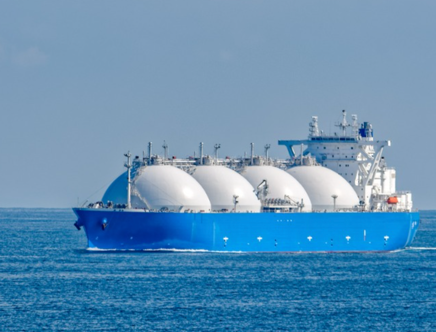
TC Energy has taken a meaningful step toward expanding Canada’s LNG export capacity, announcing new commercial agreements with LNG Canada to advance Phase 2 of the Coastal GasLink pipeline.
The agreements establish a commercial framework that will support front-end engineering and design (FEED) work, as well as execution planning, ahead of a final investment decision (FID) by LNG Canada and its joint venture partners.
A Critical Step—But Not Final Approval
While the announcement signals strong momentum, Phase 2 has not yet been sanctioned. The project still requires:
- A formal FID from LNG Canada and its partners
- Internal approvals from Coastal GasLink
That said, securing commercial alignment at this stage significantly reduces uncertainty and positions the project for a potential green light later this year.
Doubling Capacity Without New Pipeline
One of the most compelling aspects of Phase 2 is its efficiency. Rather than building new pipeline infrastructure, the expansion is expected to double natural gas throughput on the existing Coastal GasLink system.
This approach:
- Lowers capital intensity
- Reduces permitting complexity
- Accelerates time to market
For Canada, it represents a faster path to scaling LNG exports—particularly into high-demand Asian markets.
Global LNG Market Tailwinds
TC Energy CEO François Poirier pointed to growing global uncertainty—particularly supply disruptions tied to geopolitical tensions—as a key factor increasing the likelihood of Phase 2 moving forward.
With global LNG demand continuing to rise and supply security becoming a priority, Canada is well-positioned to capture market share. Expanding LNG Canada would further establish the country as a reliable long-term supplier.
What This Means for the Oil & Gas Market
If Phase 2 reaches FID, it will trigger a new wave of activity across Western Canada, including:
- Montney drilling growth to supply additional feedgas
- Midstream infrastructure optimization, including compression and gathering systems
- Facility expansion work at LNG Canada in Kitimat
- Ongoing operations and maintenance contracts tied to increased throughput
For service companies, this represents a multi-year opportunity tied to both construction and long-term operations.
Bottom Line
TC Energy’s latest agreements mark a key milestone in advancing Coastal GasLink Phase 2—but the final decision still lies ahead.
If approved, the expansion would be one of the most capital-efficient ways to increase LNG export capacity in North America, reinforcing Canada’s position in the global energy market and driving significant upstream and midstream activity.

Author: phinds