
The U.S. shale drilling market gained momentum in the second half of 2026, and public drilling contractors are cautiously optimistic about 2027. Private operators led the recovery from the spring low, public operators began returning to the market, and contractors reported better pricing and longer commitments for their most capable rigs.
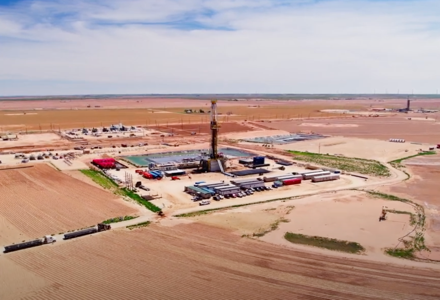
The strongest opportunity is in the Permian Basin, particularly West Texas. It is where contractors reported the clearest combination of rigs already going to work, customer-backed upgrades, early 2027 inquiries, and tighter availability. The case for 2027 is strongest for modest oil-directed growth and a firmer market for premium rigs.

The recovery is already showing up in contracts
Patterson-UTI said the U.S. shale industry added more than 50 rigs from its spring trough. Its own operating count rose from 88 at the April low to 104 by the time it reported, and it had already signed contracts for some mid-2027 deployments. Nabors also reported that Lower 48 land rig activity rose 5% during Q3, with growth concentrated in Texas and private operators driving most of the increase.
The next phase depends in part on public operators. Helmerich & Payne reported better day rates on recent awards from public customers, including a multi-rig contract extending into 2028. Precision Drilling saw public operators become more active in its inquiry book, while Patterson-UTI expects larger public operators to account for a significant share of the next round of additions.
In 2027, pricing could strengthen faster than rig counts
Contractor forecasts point to gradual additions. H&P guided to 145–155 North America Solutions rigs for fiscal 2027, broadly steady with the 151 contracted rigs it averaged in its latest quarter. Ensign sees its U.S. fleet moving from 51 active rigs at the time of its call to roughly 55 by mid-2027. Patterson-UTI expects oil-directed activity to strengthen as customer budgets reset. Supportive commodity prices remain important to that outlook.
Premium rig supply helps explain why measured growth can still improve pricing. H&P reported super-spec utilization trending at 95%. Ensign estimated that the next idle rigs it brings out of the yard could require $3 million to $5 million to reactivate and recertify. Patterson-UTI signed a three-year contract above $45,000 per day for one of its highest-spec rigs. That deal illustrates what a customer will pay to secure a specific rig for a sustained program.
Why the Permian leads
Precision offers the clearest evidence of growth already underway. It was running 16 Permian rigs, up from eight a year earlier, and the basin generated most of its inquiries for early 2027 starts. Management also cited customer-backed rig upgrades and more customers running multiple Precision rigs.
Nabors identified West Texas as its strongest market for pricing and tightest for rig availability. Ensign reported demand for rigs capable of drilling five-mile laterals, and Patterson-UTI highlighted demand for premium equipment on the deepest Delaware Basin wells. Together, those signals point to an opportunity in both rig additions and the technology and services needed to execute more demanding wells.
The Haynesville is worth watching for premium equipment. Precision reported some early 2027 inquiries, and Patterson-UTI saw demand for rigs suited to the deepest wells. Broader gas-directed growth is less certain. Nabors said the anticipated East Texas pickup had yet to materialize, while Precision had several Northeast starts under contract despite a soft regional market.
What this means for oilfield service sales
The near-term opportunity is to target West Texas operators committing to multi-rig programs, upgrading rigs, or planning longer laterals. Those programs give suppliers a concrete reason to approach drilling teams about rig upgrades, downhole tools, and integrated services. The strongest sales case ties the offering to a performance metric the operator already tracks, such as drilling time per well or cost per lateral foot.
Completions suppliers can use the same drilling programs to time their outreach. Patterson-UTI expects the drilling rebound to lift frac demand over the next several quarters. Tracking which contracted rigs actually go to work gives sales teams an early signal of where wells will move toward completion.


Author: phinds