
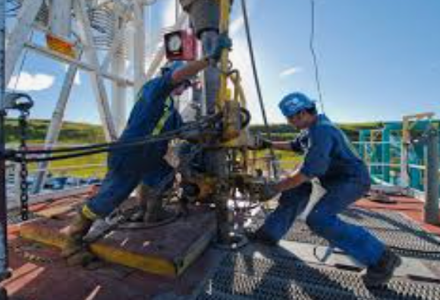
A rig that can drill a longer lateral opens up more development options. A rig fleet that can drill those wells consistently changes how an operator plans an entire program. That distinction helps explain why drilling contractors are investing in rig-floor robotics, remote engineering, managed pressure drilling, and digital tools that crews can use across multiple rigs.
The earnings-call updates from Helmerich & Payne, Precision Drilling, Ensign, Nabors, and Patterson-UTI show where those investments are already gaining commercial traction and where deployment is still early.

The technology names and what they do
Helmerich & Payne
- FlexRobotics automates rig-floor tasks to improve safety, consistency, and execution. ExxonMobil is expanding its use to nine rigs, with the third system expected to deploy the week of H&P’s November 19 call. Management described the early results favorably and did not quantify time or cost savings. (Transcript pp. 6, 19)
- FlexRig Machinery Center supports fleet equipment management. H&P estimated that the center saved the contractor $100 million in combined capital and operating costs over four years. (p. 9)
- Digital drilling apps and automation are being adopted more widely across H&P’s Lower 48 portfolio. H&P credited investments in crews, rigs, and digital tools collectively for its drilling performance. It reported about 450 wells with laterals of at least three miles in FY2026. (pp. 18–19)
Precision Drilling
- Alpha uses real-time rig data and AI-assisted analysis to help remote specialists and rig crews improve drilling practices and equipment performance. More than 100 representatives from 12 customers had visited Precision’s Calgary operations center since it opened in August. (p. 9)
- Clarity works alongside Alpha to help crews meet customer performance targets across the fleet. Precision also highlighted Digital Twin as an additional offering. (pp. 7, 9)
- EverGreen includes rig batteries, biofuel systems, and hydrogen injection on Super Single rigs. Precision identified diesel savings as a major reason customers were adopting the offering. (p. 15)
Ensign Energy Services
- EDGE is Ensign’s automated drilling system. It was installed on roughly 60% of the fleet at the time of the call, giving Ensign a base for rolling out additional capabilities. (p. 9)
- Advanced Performance Management provides around-the-clock remote engineering support. Under Ensign’s first contract, Houston engineers would use the operator’s well plan to advise a rig crew in Australia, with the goal of shortening well times. (pp. 3, 8–9)
- Opla managed pressure drilling adds equipment and services for controlling wellbore pressure while drilling. The acquisition brought Ensign 28 MPD units, 23 active at the time of the call. The Opla and EDGE teams were working to improve driller screens and automate more of the workflow. (p. 9)
Nabors Industries
- RigCLOUD is Nabors’ digital platform for rig data and performance software. Alongside managed pressure drilling, it helped drive 10% growth in Nabors Drilling Solutions revenue on the company’s Lower 48 rigs. (pp. 7, 9)
- Canrig Titan is an automated rig-floor wrench that handles pipe connections. Nabors delivered four units during the quarter and reported a backlog of more than 20. (pp. 3, 9)
- FracView and DrillView are logging-while-drilling services. An existing customer awarded Nabors a multiwell program for the two offerings in Argentina. (p. 5)
- Integrated managed pressure drilling was already seeing commercial demand in the U.S., where Nabors reported full utilization of its Lower 48 MPD fleet. (pp. 5, 9, 24)
Patterson-UTI Energy
- Emerald pumps use 100% natural gas in a direct-drive configuration for hydraulic fracturing. Patterson-UTI planned to replace retiring diesel equipment with Emerald pumps in 2027. Its expectation that nearly 90% of active frac horsepower would run at least partly on natural gas by year-end 2026 covered the broader fleet.
- Structurally upgraded drilling rigs are designed for longer laterals and deeper wells. Patterson-UTI reported day rates several thousand dollars above its fleet average for these rigs, with several customers expecting to use them for multiple years.
- Integrated digital completions services were already bundled with frac, wireline, and logistics for most customers. Management also reported customer interest in AI and automation across rigs and frac fleets.
Why contractor investment matters for U.S. shale
- Longer laterals make consistency more valuable. H&P’s three-mile-plus well count shows that extended laterals are already part of drilling at scale. Ensign also reported Permian demand for rigs capable of five-mile laterals. When those wells become a regular part of the schedule, consistent execution helps operators plan when rigs will move and when completions crews can start.
- Fleet deployment lets crews reuse what works. Once software, remote support, or automated equipment is deployed across multiple rigs, contractors can apply lessons from one well to the next. EDGE’s fleet penetration and ExxonMobil’s FlexRobotics expansion show two ways that capability can spread across a drilling program.
- Operators can justify a higher day rate through lower total well cost. An upgraded rig earns its premium if it saves enough time, reduces downtime, or completes wells that would be harder to drill with other equipment. Patterson-UTI’s reported premiums and prospective multiyear use show that some operators are willing to pay for that capability.
- Remote support extends the reach of experienced engineers. Precision’s collaboration between its Calgary team and field crews shows how contractors can bring real-time analysis into daily operations. Ensign’s first remote performance contract shows how that expertise can also be sold as a service.
The calls support the view that U.S. shale is in the industrialization wave, with automation advancing task by task. Contractors are standardizing how crews drill longer, more complex wells and deploying technology across repeat programs. Automated pipe connections, rig-floor robotics, and AI-assisted drilling show where automation is taking hold inside that operating model.


Author: phinds