
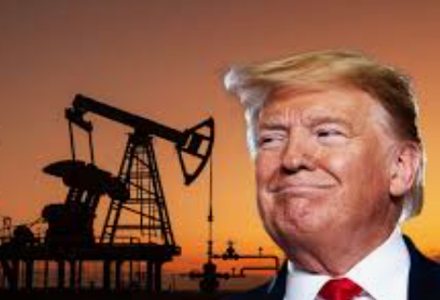
On Monday, President Donald Trump invoked the Defense Production Act (DPA) to accelerate domestic energy development, marking a significant shift in U.S. energy policy.
The move directs federal support toward key energy sectors, including liquefied natural gas (LNG), petroleum, coal-fired power, and grid infrastructure. By empowering the Department of Energy to bypass certain regulatory and financial barriers, the administration aims to fast-track critical projects and increase overall energy supply.
The decision comes amid rising electricity and gasoline costs, as well as growing concerns over grid reliability. A major driver behind this policy is the rapid increase in power demand from data centers and artificial intelligence (AI) infrastructure, which require substantial and consistent energy supply.
Natural gas and LNG are expected to be primary beneficiaries due to their scalability and role in both domestic power generation and exports. The inclusion of coal also signals a near-term focus on energy reliability, particularly as demand continues to outpace supply in some regions.
Ultimately, the use of the DPA highlights a broader strategy: treating energy production as a matter of national security while prioritizing affordability and reliability for consumers and industry.

Author: phinds