The report contains 2,603 oil & gas contacts, heavily concentrated in completions-related roles, with Completions Engineers and Completions Consultants representing the majority of the database. The strongest operator coverage includes Chevron, OXY, BPX, EOG, Devon, ConocoPhillips, ExxonMobil, and Shell, while geographically the contacts are concentrated in major industry hubs such as Houston, Midland, and Oklahoma City. This dataset is highly valuable for lead generation and account-based marketing efforts targeting completion technologies, frac services, production optimization solutions, and other oilfield products sold to technical decision-makers within active U.S. operators.
Download Center
Completions Engineer Contact List
Oil & Gas Contact Report Summary
File: Contact_Completion_All_Q22026_May.csv
Total Record Count
| Metric | Count |
|---|---|
| Total Contacts | 2,603 |
Record Count by Role
| Role | Count |
|---|---|
| Other | 840 |
| Completions Engineer | 748 |
| Completions Consultant | 680 |
| Completions Supervisor | 109 |
| Completions Manager | 97 |
| Completions Superintendent | 96 |
| Completions Operations | 15 |
| Production Engineer | 12 |
| Reservoir Engineer | 6 |
Top 10 Companies / Accounts
| Company / Account | Count |
|---|---|
| Chevron U.S.A. Inc. | 224 |
| OXY USA Inc. | 181 |
| BPX | 131 |
| EOG Resources, Inc. | 108 |
| Devon Energy Corporation | 95 |
| ConocoPhillips Company | 93 |
| ExxonMobil Corporation | 92 |
| Shell USA | 83 |
| Conocophillips Company | 80 |
| Cheapeake Energy | 62 |
Note: “ConocoPhillips Company” and “Conocophillips Company” appear to be duplicate account naming variations and may warrant normalization.
Top 10 Cities
| City | Count |
|---|---|
| Houston | 473 |
| Midland | 222 |
| Oklahoma City | 168 |
| Greater Houston | 102 |
| Unknown | 93 |
| United States | 88 |
| Midland-Odessa Area | 61 |
| Spring | 55 |
| Denver | 51 |
| Dallas | 50 |
Status by Count
No Status field was found in the uploaded dataset. Available fields include:
- Company / Account
- Role
- Job Title
- City
- State/Province
- Country
- Contact Information
As a result, status analysis cannot be generated from this file.
Executive Summary
Key Trends
This database is highly concentrated around completion-related personnel, indicating the report was specifically built to support sales, marketing, recruiting, or business development efforts focused on hydraulic fracturing, well completions, stimulation, and production optimization.
Over 62% of all contacts fall into two categories:
- Completions Engineer (748)
- Completions Consultant (680)
This suggests strong coverage of technical decision-makers and influencers involved in well design, frac execution, stimulation programs, and completion performance.
Most Represented Job Functions
The dominant functional areas are:
- Completions Engineering
- Completions Consulting
- Completions Supervision
- Completions Management
- Completions Operations
These contacts are typically involved in:
- Frac design
- Well stimulation planning
- Service company selection
- Vendor evaluations
- Production optimization
- Cost reduction initiatives
- New technology adoption
Geographic Concentration
The contact base is heavily concentrated in major North American oil and gas hubs:
| Region | Observation |
|---|---|
| Houston | Largest concentration by a wide margin |
| Midland | Strong Permian Basin presence |
| Oklahoma City | Significant Anadarko and Mid-Continent representation |
| Denver | Rocky Mountain operator presence |
| Dallas / Spring | Additional Texas operator concentration |
The dataset is particularly strong for Permian Basin and Gulf Coast operator coverage.
Largest Operator Presence
The strongest account penetration is within large U.S. independent and integrated operators:
| Operator | Contact Count |
|---|---|
| Chevron | 224 |
| OXY | 181 |
| BPX | 131 |
| EOG | 108 |
| Devon | 95 |
| ConocoPhillips | 93+ |
| ExxonMobil | 92 |
| Shell | 83 |
These companies represent many of the most active completion programs in North America.
Sales & Lead Generation Insights
High-Value Target Audience
This list is ideal for companies selling:
- Hydraulic fracturing services
- Proppant and chemicals
- Wireline services
- Completion tools
- Downhole technology
- Production optimization solutions
- Artificial lift systems
- Data analytics and digital oilfield software
- Well integrity and stimulation products
Account-Based Marketing Opportunities
The concentration of contacts inside major operators enables:
- Multi-threaded account penetration
- Role-based outreach campaigns
- Targeted technical webinars
- Completion-focused lead generation programs
Geographic Campaign Strategy
Strong regional campaigns could be built around:
- Houston operators
- Permian Basin operators (Midland)
- Anadarko Basin operators (Oklahoma City)
- Denver-Julesburg Basin operators
Business Function Summary
Role of Completions Within a U.S. Oil & Gas Operator
The Completions group is responsible for transforming a drilled well into a producing asset.
Their responsibilities typically include:
- Hydraulic fracturing design and execution
- Well stimulation planning
- Completion equipment selection
- Service company management
- Cost control and budgeting
- Production optimization
- Post-frac performance analysis
- Adoption of new completion technologies
Completion teams work closely with drilling, reservoir, production, and operations groups to maximize well productivity and economic returns. Because completions often represent one of the largest capital expenditures in unconventional shale development, these professionals are among the most influential technical buyers within an operator organization.
Typical Buyers Within This Dataset
- Completions Engineers
- Completions Consultants
- Completions Supervisors
- Completions Managers
- Completions Superintendents
- Completions Operations Personnel
These roles are often key influencers or decision-makers for evaluating new oilfield products, technologies, and service providers.
Here’s an overview of the role and responsibilities of a Completions Engineer:
- Design and Planning: Completions Engineers are responsible for designing and planning the completion operations of wells. They determine the most effective and efficient way to bring a well into production while maximizing reservoir recovery. This includes selecting the appropriate completion design (e.g., open hole, cased hole, or a combination), designing the wellbore architecture, and choosing the right equipment and tools.
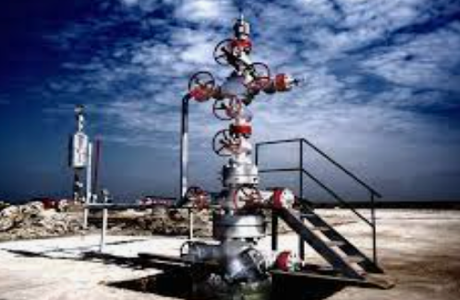
- Equipment and Tool Selection: Completions Engineers select and specify the necessary equipment and tools for the completion process. This could involve choosing casing and tubing, wellhead components, packers, plugs, valves, and other downhole tools. They consider factors such as well depth, reservoir characteristics, production goals, and safety requirements.
- Hydraulic Fracturing (Fracking): In wells that require hydraulic fracturing, Completions Engineers design and oversee the process of injecting fluids, chemicals, and proppants into the well to create fractures in the reservoir rock. These fractures allow oil and gas to flow more freely from the reservoir to the wellbore.
- Well Stimulation: Completions Engineers are involved in planning and executing well stimulation operations, which may include acidizing or other treatments to enhance well productivity by improving reservoir connectivity.
- Coordination and Supervision: During completion operations, Completions Engineers work closely with drilling, production, and other teams to coordinate and supervise the execution of the completion plan. They ensure that all tasks are carried out safely, efficiently, and in compliance with industry standards and regulations.
- Data Analysis and Optimization: Completions Engineers analyze data from well tests, production logs, and other measurements to evaluate well performance. They use this information to optimize completion designs and production strategies, making adjustments as needed to maximize hydrocarbon recovery.
- Risk Management: Completions Engineers identify potential risks and challenges associated with completion operations and develop mitigation plans. They prioritize safety and environmental protection while ensuring successful wellbore completion.
- Documentation and Reporting: Accurate record-keeping is essential in the oil and gas industry. Completions Engineers maintain detailed records of completion operations, equipment used, procedures followed, and any issues encountered. They generate reports for regulatory compliance, internal analysis, and future reference.
- Technology and Innovation: Completions Engineers stay informed about the latest advancements in completion technologies and techniques. They explore innovative methods to improve well productivity, reduce costs, and enhance overall operational efficiency.
- Collaboration: Completions Engineers collaborate with various stakeholders, including reservoir engineers, geologists, drilling engineers, service companies, and regulatory agencies, to ensure a successful completion process and seamless transition to production.
In summary, a Completions Engineer plays a pivotal role in bringing an oil or gas well into production by designing, planning, and executing completion operations. They combine technical expertise, engineering principles, and industry knowledge to optimize well performance and contribute to the overall success of oil and gas operations.
Oil & Gas Job Roles