
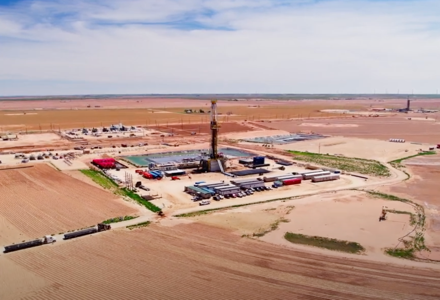
U.S. shale producers are poised to increase oil production after a prolonged period of restraint, driven by a sharp rise in crude prices tied to escalating tensions in the Middle East.
Crude prices have surged roughly 68% over the past five weeks following U.S. and Israeli strikes on Iran, creating a strong incentive for producers to ramp up output. According to the American Petroleum Institute, elevated prices are expected to translate into higher U.S. production in the coming months.
Analysts have quickly revised their forecasts. Enverus now expects U.S. oil supply to grow by 240,000 barrels per day this year, reversing earlier expectations of a decline. Rystad Energy has also shifted its outlook, now projecting growth of 191,000 barrels per day across the Lower 48.
In the near term, much of the increase will come from drilled but uncompleted wells (DUCs), which can be brought online quickly without the need for new drilling. Longer term, Citigroup anticipates that higher prices will lead to increased rig activity in the second half of the year, with U.S. shale potentially adding more than 800,000 barrels per day of supply by 2028.
Major operators such as ExxonMobil and Chevron are seen as likely leaders in this next phase of growth, while independent producers are also beginning to signal a shift. Continental Resources CEO Harold Hamm recently became one of the first industry leaders to publicly commit to increasing production.
Despite the momentum, the outlook remains highly sensitive to geopolitical developments. Ongoing uncertainty around Iran and the Strait of Hormuz continues to influence market sentiment, with oil prices reacting sharply to headlines.
For now, however, higher prices appear to be pulling U.S. shale out of its disciplined stance and back into growth mode—reaffirming its role as the world’s most responsive source of oil supply.

Author: phinds