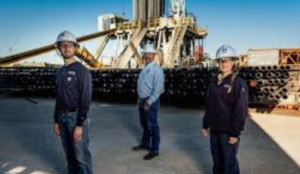
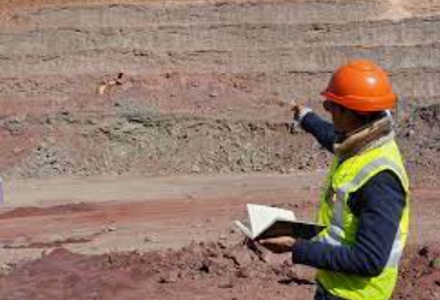
Geologists play a crucial role in the oil and gas industry, contributing to various stages of exploration, production, and reservoir management.
Data Download Data Center
Geologist Contact List
List of 1000+ Geologist working for Oil & Gas Operators in the US
Here are some key aspects of their role:
- Exploration:
- Prospect Identification: Geologists analyze geological data to identify potential areas where oil and gas deposits may be present.
- Seismic Interpretation: They interpret seismic data to understand the subsurface structure and identify potential reservoirs.
- Drilling Operations:
- Well Site Evaluation: Geologists are involved in selecting and evaluating well sites based on geological data to maximize the chances of drilling success.
- Core Analysis: They analyze core samples obtained from drilling to understand the composition and characteristics of the rock formations.
- Reservoir Characterization:
- Rock and Fluid Analysis: Geologists study the properties of rocks and fluids in the reservoir to estimate the potential production rates and recovery.
- Reservoir Modeling: They create detailed geological models of the reservoir to optimize production strategies.
- Risk Assessment:
- Geohazard Evaluation: Geologists assess geological risks such as faults, salt domes, and other potential hazards that could affect drilling and production.
- Reservoir Uncertainty: They evaluate uncertainties in reservoir characteristics and help in risk assessment for investment decisions.
- Production Optimization:
- Well Monitoring: Geologists monitor the performance of wells over time, analyzing production data and making recommendations for optimizing production.
- Enhanced Oil Recovery (EOR): They may be involved in designing and implementing EOR techniques to improve recovery rates.
- Environmental Considerations:
- Environmental Impact Assessment: Geologists contribute to assessing the environmental impact of oil and gas operations, helping to mitigate potential risks.
- Data Management:
- Data Integration: Geologists work with vast amounts of geological and geophysical data, integrating them to provide a comprehensive understanding of subsurface conditions.
- Collaboration:
- Interdisciplinary Collaboration: Geologists collaborate with engineers, geophysicists, and other professionals to integrate geological information with engineering and economic considerations.
The work of a geologist in the oil and gas industry is essential for making informed decisions throughout the exploration, drilling, and production phases, ultimately contributing to the efficient and responsible extraction of hydrocarbons.